
Creating shared value for communities

We engage deeply with our communities to understand their evolving aspirations and co-create solutions that deliver long-term value. In collaboration with the Adani Foundation, we are committed to empowering marginalised communities and shaping a brighter future for them. Rooted in the Adani Group’s philosophy of ‘Growth with Goodness’ and guided by the ethos of Seva- selfless service, we undertake purposeful actions that reinforce our social license to operate and grow.
Key Linkages
Material Topics
SDG Alignment


Key Risks and Opportunities
Capitals Impacted

GRI Linkage:
GRI 413
CSR Philosophy of the Adani Group of Entities
At the heart of the Adani Group’s approach to CSR lies Seva, the ethos of selfless service. Seva is the guiding emotion that shapes our social interventions and reflects our deep commitment to nation-building, sustainability, and community empowerment, aligned with the Group’s overarching philosophy of ‘Growth with Goodness’. It is about laying the foundation for a future defined by inclusion, equity, dignity and opportunities. Our CSR efforts extend beyond addressing immediate needs to creating pathways for multifaceted growth and development, ensuring that individuals and communities are equipped to drive their own futures.
A primary feature of the Group’s CSR strategy is its focus on sustainable empowerment. With this belief, the Adani Foundation designs programmes with a long-term perspective, ensuring sustainable and long-term empowerment of community.

A primary feature of the Group’s CSR strategy is its focus on sustainable empowerment.
Core Tenets Guiding Our CSR Approach
About The Adani Foundation-Seva Since 1996
We implement our CSR initiatives through the Adani Foundation, the social welfare and development arm of the Adani Group, established in 1996. For nearly three decades, the Foundation has served as a catalyst for inclusive and sustainable development, translating the Adani Group’s purpose and philosophy into meaningful, on-ground action across India. It continues to walk alongside communities- listening, learning, and partnering to create pathways for opportunity, resilience, and shared progress.
The Foundation works across geographies with a life-cycle approach and inclusive framework to enable change where it matters the most. Currently, it is operating in 7,247 villages across 22 states, positively impacting 13.3 million lives. Its interventions span critical development areas, including education, health and nutrition, sustainable livelihoods, climate action, and community development, with a strong focus on children, women, youth, and marginalised populations. The strategies of the Foundation are aligned with national priorities and Sustainable Development Goals (SDGs), ensuring that its initiatives contribute to nation-building and holistic development.
Read more about the Adani Foundation herehttps://www.adanifoundation.org/
Our CSR Impact
Total CSR spend (₹ Crore)

*additional ₹ 130+ crore earmarked
70%
Increase in CSR spending as compared to the previous year
Total lives touched (millions)

Strategic Approach to Promoting Self-Reliance and Lasting Empowerment
Adani Foundation’s CSR approach is closely aligned with the Sustainable Development Goals (SDGs), addressing national priorities such as poverty reduction, livelihoods. Its bottom-up, community-driven model operates through Village level institutions, ensuring participation from local leaders, civil society, experts, and marginalised groups, and is supported by an integrated grievance redressal system.
The Foundation prioritises inclusiveness, focussing on vulnerable communities including fisherfolk, tribal groups, children and women. Flagship initiatives like SuPoshan enhance women’s nutrition, social status, and incomes through dairy livelihood cooperatives and self-help groups. Environmental sustainability is ensured through green cover restoration, water conservation projects such as pond deepening and rainwater harvesting, and localised groundwater mitigation.
Biodiversity conservation is another focus area, with initiatives designed around the protection of coastal and terrestrial ecosystems across industrial sites. The Foundation also demonstrated empathy during crises, such as floods, cyclones, and the COVID-19 pandemic, through relief efforts and volunteer engagement. Collaboration with government bodies and civil society organisations strengthens programmes such as Utthan and Swabhiman. Across all initiatives, our priority remains on generating meaningful impact and enhancing the overall well-being of communities.
Target Communities
The target communities consist of populations living in areas around Adani Port & Special Economic Zone (APSEZ) facilities. Project areas across several locations – Mundra, Dahej, Hazira, Dhamra, Dighi, Gopalpur, Kattupalli, Krishnapattanam, Karaikal, Gangavaram, Vizhinjam. The primary target groups are school going children, livestock-dependent households, women, farmers, cattle owners, and youth who face persistent challenges such as lack of quality education facility, limited livelihood opportunities, and restricted access to healthcare and basic infrastructure.
Strategy to Strengthen Community Relationships and Social License to Operate
The entity follows a participatory, community-centric model in villages around port businesses, building trust through regular village consultations, need assessments, and partnerships with local self-governance bodies, district administration, and community organizations. A consistent on-ground presence, transparent communication, and grievance mechanisms strengthen inclusion and accountability. Development initiatives to strengthen the state of primary education, public health, water security, and livelihoods are designed around local priorities, ensuring community ownership and reinforcing the entity’s role as a long-term development partner while striving to enhance transparency, build mutual trust, and strengthen community connect.

Creating Systematic Impact and Expanding Grassroots Opportunities
The entity promotes inclusive community development through trust building activities. Skill development programmes equip youth and women for employment and entrepreneurship and unlock new avenues across various service sectors. The women empowerment program not only seeks to strengthen the self-help groups and producer groups by imparting training on technical & financial aspects and facilitating access to credit but also enables enterprise development by fostering backward & forward linkages through both offline and online platforms. APSEZ’s Education initiatives focus on upgrading school infrastructure and creating enabling environment to build long-term human capital and aspirations.
Community Risk Management
Key community risks in areas of operation of Adani Port and Special Economic Zone include degrading quality of education, water scarcity, climate-driven livelihood vulnerability, low levels of skills among youth, and environmental concerns. These risks are integrated into the Enterprise Risk Assessment Process through regular social risk assessments, stakeholder feedback, and site-level risk registers and are categorized by severity, likelihood, and their impact on community and business operations for a comprehensive oversight.
Mitigation Approach, Monitoring and Review Mechanism
All these risks exacerbate the vulnerability of the local population which APSEZ’s initiatives seek to address through targeted interventions in Education, Health & Nutrition, Livelihoods, Climate Action, and basic Infrastructure Development. Healthcare and nutrition challenges are addressed through intervention woven around provisioning doorstep primary healthcare services. Livelihood vulnerabilities are mitigated by promoting income diversification, skill development, and enterprise support. Environmental risks are managed through green belt development, continuous monitoring, and compliance with statutory norms. Water and climate risks are mitigated through rainwater harvesting, augmenting water conservation capacity, and promoting efficient water-use practices. All interventions are monitored through defined indicators, field reviews, beneficiary feedback, audits, impact assessments, and third-party evaluations, ensuring adaptive and responsive management.
Investments in Risk Management and Mitigation
Sustained investments are made in education, healthcare infrastructure and access to primary healthcare, water security, livelihood diversification & skill enhancement, environmental safeguards, and community capacity-building initiatives to enhance community resilience and ensure long-term risk mitigation.
Assessing Impact of Operations on Communities:
(GRI 413-1 and 413-2)
Once the program reaches three years of maturity, a third-party agency is engaged to conduct an impact assessment.
| Particulars | Outcome in FY 2025-26 |
|---|---|
| Location of the operations causing significant actual and potential negative impacts on the communities | No actual or potential negative impacts on the communities |
| Types of significant actual and potential negative impacts of operations | No actual or potential negative impacts identified |
CSR Spend and Impact as per Focus Areas
| CSR Thematic Areas | Core Objective | CSR Spend (₹ in crore) | Lives Impacted | Contribution to UN SDGs |
|---|---|---|---|---|
| Climate action | Enhance climate resilience through afforestation, solar panel installation, water conservation, and biodiversity protection | 16.16 | 101,224 |  |
| Community infrastructure development | Strengthen rural and coastal infrastructure including sanitation, drinking water, roads, and community assets to improve quality of life | 26.11 | 184,642 | |
| Education | Improve access to quality education through school infrastructure, scholarships, digital learning, and skill development initiatives | 127.82 | 44,031 | |
| Health initiatives | Provide accessible and affordable healthcare through medical camps, hospital support, preventive care, and nutrition programmes | 17.85 | 277,332 | |
| Sustainable livelihood | Promote income generation through skill development, entrepreneurship, and support for agriculture, fisheries, and allied sectors | 11.46 | 22,925 | |
CSR Governance and Accountability
Our CSR policy forms the foundation of our community development efforts. This policy provides a structured framework to plan, execute, and monitor social responsibility initiatives in line with regulatory requirements. Guided by this policy, our CSR strategy focusses on addressing the real needs and priorities of local communities.
Community Grievance Mechanism:
APSEZ maintains a formally structured and transparent community grievance management process as part of its broader stakeholder-engagement and CSR framework. All community submissions are systematically logged, categorised, reviewed, and escalated through defined governance channels, with time-bound resolution protocols to ensure accountability and responsiveness. This structured approach strengthens trust, reinforces predictability, and ensures consistent closure of grievances in line with our commitment to stakeholder well-being.
To further elevate transparency and organisation-wide consistency, APSEZ is implementing an Integrated Grievance Management System (IGMS). The system will enable community members and other stakeholders to digitally submit grievances, track the real-time status of their cases, monitor turnaround timelines, and provide feedback post-resolution. Once fully deployed, the IGMS will serve as a unified platform for centralised monitoring, analytics-based insights, and continuous improvement.
Read more about CSR Policy here
CSR Committee and Governance
A dedicated CSR Committee, comprising at least three directors including an independent director, oversees policy review, project approval, and performance monitoring.
- Functions include reviewing CSR policy, recommending budgets, monitoring implementation, and reporting.
- Authority delegated to the CEO for disclosure and performance steering
- CSR expenditure includes contributions to projects, foundations, and associated organizations, excluding political donations
- Projects must align with Schedule VII of the Act and focus on social and environmental benefits
Thrust Areas for CSR Activities:
Priority sectors include Primary Education, Community Health, Sustainable Livelihood Development, and Rural Infrastructure Development.
- Focus on activities that benefit villages near business sites and nationwide projects
- Projects aim to improve education quality, health services, socio-economic status, and rural infrastructure
CSR Project Identification and Planning:
Projects are identified based on detailed assessments, with preference for local areas, and may involve external professionals.
- Planning includes estimated expenditure and phased implementation
- Projects should align with Thrust Areas and be approved by the CSR Committee
Implementation Methods for CSR Projects:
Projects are executed directly by the company or through its foundations and agencies, with collaboration permitted among companies.
- Direct Method: Company or its foundation implements projects
- Indirect Method: Through agencies with a track record of at least three years, monitored quarterly
- Collaboration among Group Companies is allowed for project execution
Monitoring and Review Mechanism:
A review committee comprising site heads, employees, and Foundation representatives meets quarterly to monitor progress
- Reports are submitted to the Board via the CSR Committee
- Regular audits, capacity building, and performance reviews are conducted
Fund Allocation and Financial Guidelines
The company aims to spend at least 2% of the average net profits of the previous three years on CSR annually, with no statutory cap.
- The CSR Annual Plan includes project details, expenditure, and schedules, approved by the Board
- Surplus funds from CSR projects do not form part of business profits
- Up to 5% of the approved budget can be used for capacity building
Responsibilities of the Board and CSR Committee
The Board reports on CSR activities in its annual report, while the CSR Committee monitors policy implementation, reviews projects, and ensures transparency.
- The Committee meets at least twice a year
- The CSR policy and annual plan are displayed on the company’s website
Review and Amendments
The CSR policy is reviewed every two years or earlier if needed, with the CSR Committee empowered to revise or amend the policy periodically. Ensures the policy remains aligned with statutory updates and organizational goals.
Participatory Approach for CSR Implementation
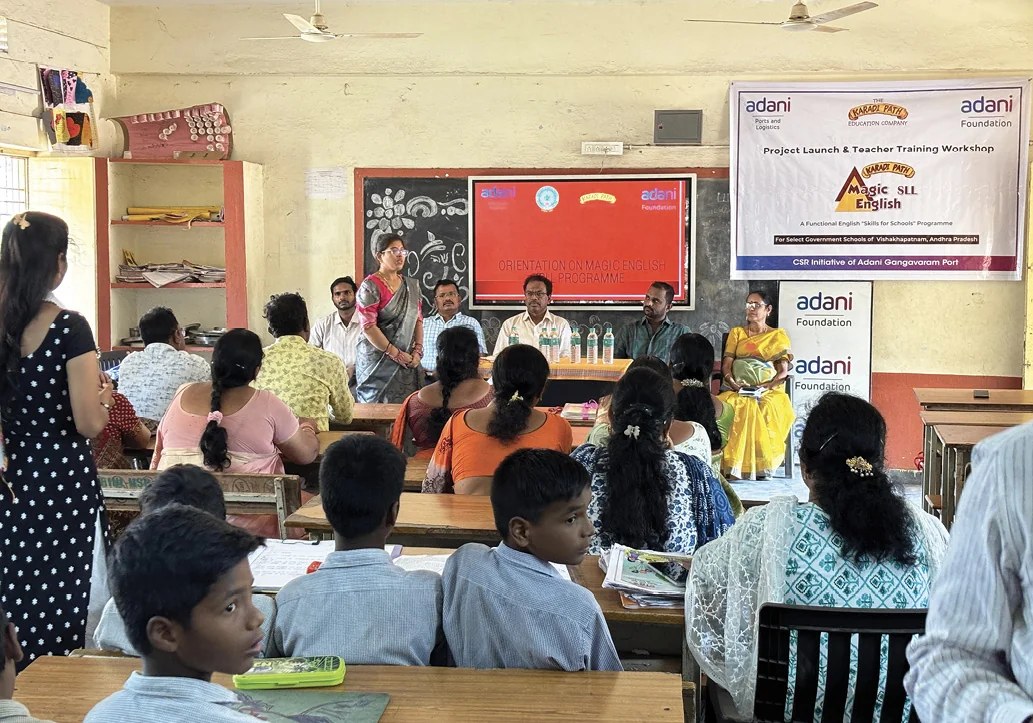
Our CSR implementation follows a participatory approach, driven by continuous engagement with communities and stakeholders across our operations. We proactively identify and engage peripheral communities to foster meaningful dialogue and participation. Structured engagement and consultation processes enable communities to share their perspectives on operational and project-related risks, environmental and social impacts, and potential mitigation measures. These insights are systematically integrated into project planning and decision-making, ensuring alignment with evolving community needs.
Robust grievance redressal and reporting mechanisms are in place to address concerns promptly, strengthening trust and transparency throughout the process. By prioritising listening, partnership, and shared decision-making, we deliver meaningful project outcomes that support sustainable development of communities.
The target communities in the areas of operation are identified through a combination of socio-economic profiling, geographic vulnerability assessment, and an understanding of local livelihood patterns. The target groups are selected based on:
- Rural and socio-economic vulnerability: Households with limited income sources and reliance on climate-sensitive livelihoods.
- Livelihood dependency: Small and marginal farmers, pastoral communities, and families dependent on traditional occupations.
- Social inclusivity needs: Women-led households, youth, and persons with disabilities requiring enhanced access to opportunities.
- Geographic proximity to development corridors: Economically vulnerable households living in villages near plant and large infrastructure project sites, where rapid development increases the need for community support.
- Agrarian and pastoral livelihoods: Households dependent on farming, livestock, and related rural occupations.
- Socially and geographically marginalized groups: Villages located in remote area locations with poor access to basic services.
- Economic vulnerability: Women, youth, artisans, and small traders with limited income diversification opportunities.
- Cultural and traditional occupations: Groups engaged in crafts and trade, requiring support for skill development and market access.
Community Engagement Approach
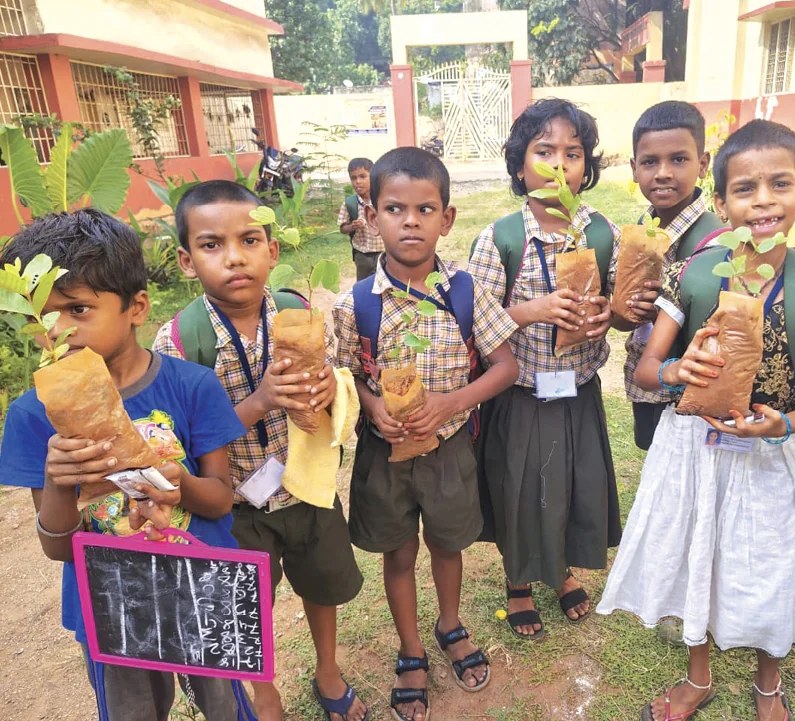
- We, at APSEZ, implemented community engagement programmes across all our operations in alignment with our stakeholder engagement policy, ensuring the identification and involvement of affected communities and a diverse range of local stakeholders. In accordance with our guidelines, we do not operate in protected regions, particularly indigenous territories. Our impact assessments prioritise vulnerable groups, including indigenous communities
- Additionally, we uphold transparency and ethical practices, reinforced by an accessible complaints and grievance mechanism to promptly address community concerns, with full endorsement from the Board of Directors
- Regular consultations, public meetings, and feedback channels
- A transparent grievance mechanism to address concerns efficiently
- Board-endorsed commitment to ethical practices and transparency
- Need-Based Assessments guide management plans and community consultations
- Comprehensive Impact Assessments include demographic, cultural, and environmental considerations before new projects, mergers, or acquisitions
- Adherence to UN Universal Declaration of Human Rights, ensuring Free, Prior, and Informed Consent (FPIC) for indigenous communities
- Clear, accessible communication channels and a dedicated community liaison officer
- Training on communication, conflict resolution, and environmental conservation
- Partnerships with local educational institutions and community organisations
- Regular surveys to assess satisfaction and concerns
- Proactive meetings to identify emerging issues and incorporate community input
Influence of Structured Stakeholder Engagement on Program Conception, Design, and Implementation
Structured stakeholder engagement significantly shaped the program throughout its life cycle. Inputs from community members, women’s groups, youth, village leaders, and local institutions ensured the initiative remained relevant, inclusive, and grounded in local realities.
Program Formulation: Consultations help identify key concerns—livelihood insecurity, limited services, climate risks, and skill gaps—while validating community needs and aspirations. This ensures that the program’s objectives are realistic and aligned with local priorities.
Program Design: Continuous dialogue enables the selection of appropriate target groups and tailoring of interventions to local socio-cultural contexts. Co-created solutions, such as climate-resilient agriculture, women-centric livelihoods, youth skills, and financial inclusion, are integrated based on community feedback and coordination with government and local institutions.
Program Implementation: Stakeholder participation enhances ownership, transparency, and timely adjustments. Activities are aligned with local calendars and livelihood cycles. Strong partnerships and continuous engagement, serve to build trust with target community thereby improving inclusion, leading to a more flexible and community-driven implementation process.
Touchpoints for Community Consultation and Engagement Throughout the Programme Lifecycle: Community consultation is embedded at every stage of the programme lifecycle to ensure relevance, inclusiveness, ownership, and sustainability. Throughout the programme lifecycle, engagement takes place through structured touchpoints—needs assessments, co-design workshops, mobilization meetings, review sessions, feedback mechanisms, and evaluation forums. These consultations ensure that the programme remains community-driven, context-sensitive, and sustainable.
Feedback: Across all stages, feedback is captured systematically through village meeting, group discussions, regular visits to community, interaction with community leaders & local committees, monitoring tools, and evaluation platforms. This feedback is continuously analyzed and integrated to refine strategies, realign resources, and strengthen interventions, ensuring that the programme remains dynamic, community-driven, and responsive to changing needs.
Stakeholder Consultation and Engagement
(GRI 2-24, 2-25, 2-26 and 2-29)
Identification of primary stakeholders
- Identify and consult with key stakeholders for CSR projects such as local community members, NGOs, government officials
- Gather and document their feedback, concerns and expectations
Stakeholders involved: Local community members (including women groups, youth, gram sabha/village leaders), NGOs, government officials, CSR/site team, Corporate ESG team
Need identification and assessment
- Conduct participatory need assessment with rural communities, identifying and prioritizing their needs.
Stakeholders involved: Local community members, NGOs, government officials, CSR/site team
Programme planning
- Develop detailed program plan catering to the community needs
- Outline activities, milestones, timelines and responsible parties
- Allocate budget and manpower for project execution
- Incorporate feedback from affected communities into operational and project decision-making.
Stakeholders involved: Local community members, NGOs, government officials, CSR/site team
Monitoring and evaluation
- Execute project in partnership with stakeholders adhering to the project plan
- Keep communities informed of the project progress, seeking their inputs
Stakeholders involved: Local community members, NGOs, government officials, CSR/site team, Corporate ESG team
Impact assessment
- Close monitoring of the project against the timelines
- Conduct Impact Assessment to evaluate impact on communities
- Seek feedback from affected communities
- Deploy findings from monitoring and evaluation and community feedback to enhance project effectiveness.
Stakeholders involved: Local community members, NGOs, government officials, CSR/site team