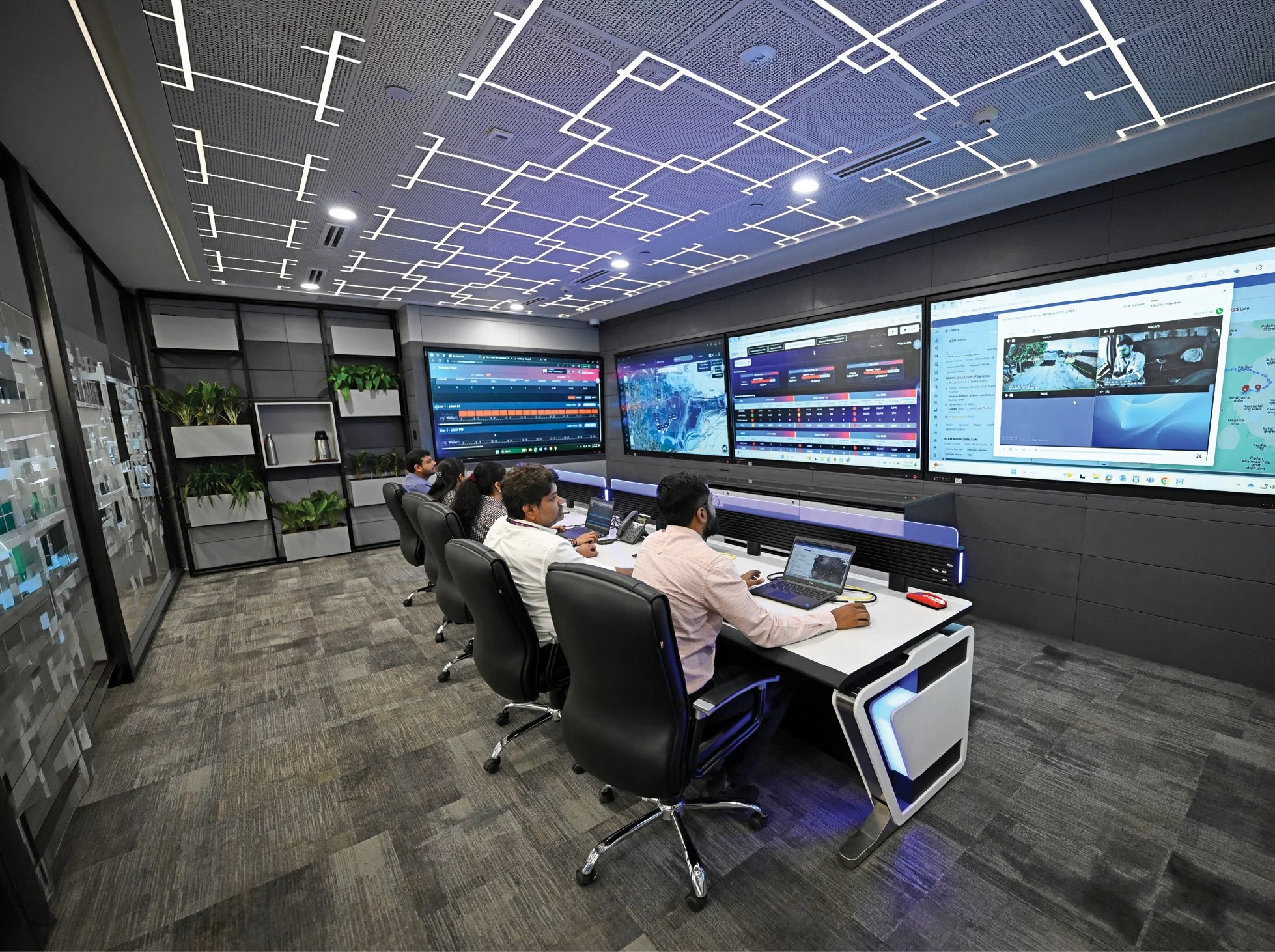
Developing future-ready talent and capabilities

At the Adani Group, careers are built on ownership, accelerated learning and the opportunity to create lasting impact, guided by the Growth with Goodness philosophy. In a rapidly evolving business environment shaped by technological disruptions, regulatory developments and decarbonisation imperatives, the organisation is strengthening its human capital strategy.
Key Linkages
Material Issues
Capitals Impacted
 Social and Relationship Capital
 Human Capital
GRI Linkage:
- GRI 2-7
- GRI 2-8
- GRI 2-30
- GRI 202
- GRI 401
- GRI 402
- GRI 404
- GRI 405
SDG Alignment





Through targeted hiring, capability building, employee engagement, wellbeing and inclusive workplace initiatives, the organisation supports workforce transition while leveraging AI and analytics for data-driven manpower planning and responsible progress towards its financial and ESG goals.
Human Capital Highlights in FY 2025-26
3,471
Total workforce (FTE)
▲ 8% from previous year
23
Women new hires
9%
Voluntary employee turnover rate
224
Women in workforce (FTE)
▲ 184% from previous year
8.3
Employee satisfaction score
▲ 5% from previous year
97,727
Average hiring cost per employee
235
Total number of new employees hires
▼ 56% from previous year
14%
Total employee turnover rate
62
Average hours per FTE of training and development
▲ 4% from previous year
₹ 11,918
Average amount spent per FTE on training and development
4.1 Crore
Expenditure on employee trainings and developments
311
Open positions filled by internal candidates
People Philosophy and Strategic Human Capital Framework at The Adani Group
To nurture a future-ready, Adani values-driven workforce on the foundations of safety, inclusivity and, empowerment – where continuous learning, technical upskilling, leadership development and technology-led transformation enable our people to become self-reliant, Saksham, and confident contributors to nation building, steadily progressing in culture of trust, care, transparency and well-being. This vision is underpinned by our commitment to equity and inclusion, ensuring accessible workplaces, equal opportunity and a sense of belonging for all
To attract, develop and retain diverse talent and make them future-ready by strengthening technical and leadership capabilities, enabling technology-led transformation, promoting safety, wellness and employee care, ensuring equity and inclusion across accessible workplaces, and nurturing open communication – so that while realising their full potential, our people are empowered, resilient and, aligned to long-term value creation and contribute to our shared purpose of nation-building
Workforce Composition
| Male (Age in years) | Female (Age in years) | Grand Total | |||||||
|---|---|---|---|---|---|---|---|---|---|
| <30 | 30-50 | >50 | Total | <30 | 30-50 | >50 | Total | ||
| Permanent Workforce Categories | |||||||||
| Top Management (A): | - | 7 | 4 | 11 | - | - | - | - | 11 |
| Senior Management (B): | - | 49 | 54 | 103 | - | 4 | 3 | 7 | 110 |
| Middle Management (C): | 14 | 339 | 141 | 494 | 2 | 12 | 3 | 17 | 511 |
| Junior Management (D): | 269 | 1,217 | 233 | 1,719 | 50 | 77 | 7 | 134 | 1,853 |
| Management Trainees (E): | 5 | - | - | 5 | - | - | - | - | 5 |
| Employees from Non-Management Categories (F): | 1 | 115 | 40 | 156 | - | - | - | - | 156 |
| Permanent Workers (G): | 31 | 364 | 280 | 675 | 2 | 30 | 19 | 51 | 726 |
| Total Permanent Workforce (H) H= A+B+C+D+E+F+G | 320 | 2,091 | 752 | 3,163 | 54 | 123 | 32 | 209 | 3,372 |
| Other than Permanent Workforce Categories | |||||||||
| On-roll Employees (I): | 1 | 59 | 22 | 82 | 7 | 8 | 0 | 15 | 97 |
| On-roll Workers (J): | - | 1 | 1 | 2 | - | - | - | - | 2 |
| Contractual Workers (K): | 18,398 | 22,922 | 3,905 | 45,225 | 268 | 1,405 | 453 | 2,126 | 47,351 |
| Total Non-Permanent Workforce (L) L= (I+J+ K) | 18,399 | 22,982 | 3,928 | 45,309 | 275 | 1,413 | 453 | 2,141 | 47,450 |
| Total Workforce (M) M=(H+L) | 18,719 | 25,073 | 4,680 | 48,472 | 329 | 1,536 | 485 | 2,350 | 50,822 |
Note: Our FTE include sum of permanent workforce, on-roll employees and on-roll workers
Workforce Breakdown: Female (FY 2025-26)
6%
Share of women in total workforce
6%
All management positions, including junior, middle and top management (% of total management positions) - [O1-JP]
7%
Share of women in junior management position
3%
Share of women in middle management position
6%
Share of women in management positions in revenue-generating functions (e.g. sales, marketing, operations, productions, services, Finance P&L, etc.) as % of all such managers (i.e. excluding support functions such as HR, IT, Legal, etc.)
6%
Share of women in top management position
5%
Women in STEM-related positions (as % of total STEM positions)
New Hires
| Male (Age in years) | Female (Age in years) | Grand Total | |||||||
|---|---|---|---|---|---|---|---|---|---|
| <30 | 30-50 | >50 | Total | <30 | 30-50 | >50 | Total | ||
| Top Management | - | - | - | - | - | - | - | - | - |
| Senior Management | - | 3 | 2 | 5 | - | - | - | - | 5 |
| Middle Management | 4 | 28 | 7 | 39 | - | 3 | 1 | 4 | 43 |
| Junior Management | 69 | 53 | 1 | 123 | 12 | 2 | - | 14 | 137 |
| Management Trainees | 5 | - | - | 5 | - | - | - | - | 5 |
| Non-Management Categories | 1 | - | - | 1 | - | - | - | - | 1 |
| Permanent Workers | 7 | 7 | - | 14 | - | - | - | - | 14 |
| On-roll Employees | 1 | 17 | 6 | 24 | 3 | 2 | - | 5 | 29 |
| On-roll Workers | - | 1 | - | 1 | - | - | - | - | 1 |
| Total New Hires | 87 | 109 | 16 | 212 | 15 | 7 | 1 | 23 | 235 |
Note: Our FTE include sum of permanent workforce, on-roll employees and on-roll workers
New Hires: Regional Overview (India & International) (FY 2025-26)
3
North (Ladakh, J&K, HP, Punjab, Haryana, Delhi, Rajasthan)
1
Central (Uttarakhand, UP, MP, Chhattisgarh)
14
East (Sikkim, Bihar, Jharkhand, WB, Odisha)
96
West (Gujarat, Maharashtra)
17
South (Karnataka, Goa, AP, Telangana, Kerala, Tamil Nadu)
104
International
235
Total
Workforce Breakdown: Ethnicity/Nationality
| FY 2025-26 | Total | ||||||||
|---|---|---|---|---|---|---|---|---|---|
| Indian | British | Egyptian | European | Israeli | Filipino | Sri Lankan | Tanzanian | ||
| Top Management: | 10 | - | - | - | 1 | - | - | - | 11 |
| Senior Management: | 99 | - | - | 1 | 8 | - | 2 | - | 110 |
| Middle Management: | 466 | 1 | 2 | - | 20 | - | 14 | 8 | 511 |
| Junior Management: | 1,165 | - | - | - | 38 | 1 | 187 | 462 | 1,853 |
| Management Trainees: | 5 | - | - | - | - | - | - | - | 5 |
| Non-Management Categories: | 156 | - | - | - | - | - | - | - | 156 |
| Permanent Workers: | 99 | - | - | - | 622 | - | 2 | 3 | 726 |
| On-roll Employees: | 97 | - | - | - | - | - | - | - | 97 |
| On-roll Workers: | 2 | - | - | - | - | - | - | - | 2 |
| Total | 2,099 | 1 | 2 | 1 | 689 | 1 | 205 | 473 | 3,471 |
Employee Turnover: Voluntary Turnover
| Male (Age in years) | Female (Age in years) | Grand Total | |||||||
|---|---|---|---|---|---|---|---|---|---|
| <30 | 30-50 | >50 | Total | <30 | 30-50 | >50 | Total | ||
| Top Management: | - | - | 1 | 1 | - | - | - | - | 1 |
| Senior Management: | - | 1 | 7 | 8 | - | - | - | - | 8 |
| Middle Management: | 3 | 43 | 12 | 58 | - | 2 | - | 2 | 60 |
| Junior Management: | 57 | 123 | 12 | 192 | 8 | - | 1 | 9 | 201 |
| Management Trainees: | - | - | - | - | - | - | - | - | - |
| Non-Management Categories: | - | 6 | 1 | 7 | - | - | - | - | 7 |
| Permanent Workers: | 1 | 7 | 1 | 9 | - | - | - | - | 9 |
| On-roll Employees: | - | 15 | 7 | 22 | 1 | - | - | 1 | 23 |
| On-roll Workers: | - | - | - | - | - | - | - | - | - |
| Total | 61 | 195 | 41 | 297 | 9 | 2 | 1 | 12 | 309 |
Employee Turnover : (Involuntary + Voluntary) Turnover
| Male (Age in years) | Female (Age in years) | Grand Total | |||||||
|---|---|---|---|---|---|---|---|---|---|
| <30 | 30-50 | >50 | Total | <30 | 30-50 | >50 | Total | ||
| Top Management: | - | - | 1 | 1 | - | - | - | - | 1 |
| Senior Management: | - | 5 | 15 | 20 | - | - | - | - | 20 |
| Middle Management: | 3 | 56 | 31 | 90 | - | 3 | - | 3 | 93 |
| Junior Management: | 64 | 154 | 45 | 263 | 11 | 3 | 3 | 17 | 280 |
| Management Trainees: | - | - | - | - | - | - | - | - | - |
| Non-Management Categories: | - | 14 | 5 | 19 | - | - | - | - | 19 |
| Permanent Workers: | 2 | 12 | 12 | 26 | 1 | 1 | - | 2 | 28 |
| On-roll Employees: | - | 15 | 13 | 28 | 1 | - | - | 1 | 29 |
| On-roll Workers: | - | - | - | - | - | - | - | - | - |
| Total | 69 | 256 | 122 | 447 | 13 | 7 | 3 | 23 | 470 |
Employee Turnover : (Involuntary + Voluntary): Nationality (FY 2025-26)
25
North (Ladakh, J&K, HP, Punjab, Haryana, Delhi, Rajasthan)
10
Central (Uttarakhand, UP, MP, Chhattisgarh)
38
East (Sikkim, Bihar, Jharkhand, WB, Odisha)
242
West (Gujarat, Maharashtra)
91
South (Karnataka, Goa, AP, Telangana, Kerala, Tamil Nadu)
64
International
470
Total
The Adani Group’s People Strategy
At the Adani Group, our people strategy is centred on building a future-ready, inclusive and responsible workforce. By strengthening skills, leadership and digital capabilities, upholding human rights, and enabling equitable opportunities and fair practices, we empower our people to thrive.
Key Pillars of Our People Strategy
Strengthening early career talent acquisition and structured leadership development to build a future-ready talent pipeline
Lean structures enabling broader roles, merit-based growth and faster higher quality decision-making
Investing in upskilling and livelihood generation, aligned with business growth and national skilling priorities
Enhancing living standards, safety and compliance through industry leading welfare initiatives, particularly at the remote sites
Enhanced structural accessibility across the Adani Corporate House and 100% compliance with the Rights of Persons with Disabilities (RPwD) Act, 2016, promoting dignity and inclusion for persons with disabilities
Holistic wellness framework integrating preventive, digital, and community-based healthcare
Leveraging data, dashboards, and HR technology aligned with global annual reporting guidance to enable performance insights and decision-making
Promoter-driven employee communication and engagement practices, promoting transparency, leadership accessibility, and strong employee connection
Our Employee Value Proposition (EVP)
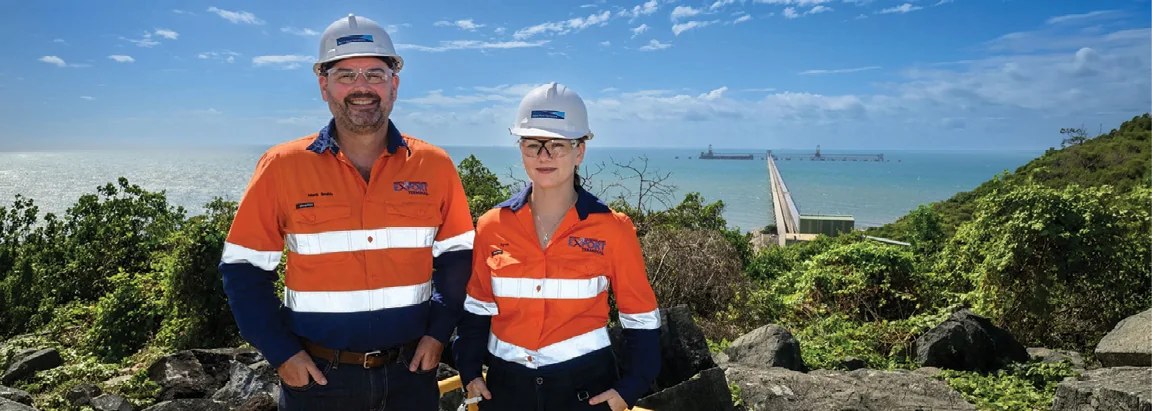
At the Adani Group, we offer purpose-driven careers at the forefront of nation building. The Group operates across diverse large scale, mission critical infrastructure domains spanning energy, green hydrogen, data centers, manufacturing, transport, logistics, utilities, resources and next-generation infrastructure. This unmatched scale of operations, complexity of businesses, and high-growth platforms create opportunities rarely available at comparable scale elsewhere.
The EVP is closely aligned with the evolving needs of infrastructure and energy development, enabling employees to build future-relevant capabilities. This drives long-term sustainable growth, preparing talent not only for today, but for emerging business and next-generation leadership roles.
Purpose-Driven / Scaled Impact / Future-Ready

Purpose
Nation-building through infrastructure leadership

Scale
Large, complex, mission-critical platforms

Ownership
Early accountability and merit-based progression

Mobility
Cross-business career pathways

Culture
Entrepreneurial, performance-driven, high impact

Philosophy
Growth with Goodness
Unmatched Scale with National Impact
Unmatched opportunities to contribute to projects shaping India’s long-term economic and sustainability agenda
Future-Focussed High Growth Platforms
Participation in business creation, scale-up and transformation through exposure to high growth and future facing
Cross Business Mobility and Limitless Exposure
Diverse career paths across varied domains within a single ecosystem, accelerating learning, adaptability and leadership readiness
Capability through Complexity
Exposure to multi-stakeholder, high-responsibility environments, and large integrated value chains, accelerating employees’ technical, commercial and leadership capabilities
Early Ownership and Leadership Opportunities
Career progression driven by outcomes, impact and capability, rather than tenure or hierarchy
Value-Led Growth
Growth guided by core values – Courage, Trust and Commitment, and rooted in the Growth with Goodness philosophy, which balances scale and performance with responsibility, safety, inclusion and sustainability
AI, Advanced Analytics and Digital Transformation
Providing employees with exposure to:
- Enterprise-scale AI and analytic
- Smart infrastructure and integrated digital platform
- Capability building aligned to digital skills and evolving business model
Sustainability and Climate-Aligned Capabilities
Positioning employees for future economy through:
- Participation in renewable energy, green hydrogen and energy transition initiative
- Climate-aligned infrastructure development
- Responsible resource management and ESG-led decision-making
- Capability enhancement in green skills, sustainability leadership and climate conscious business acumen
Future Leadership & Adaptive Skill
Fostering employee adaptability and leadership readiness through:
- Exposure to complex, multi stakeholder environment
- Cross business and cross sector mobility
- Leadership roles that require speed, judgement and accountability
Leadership, Culture and Ways of Working
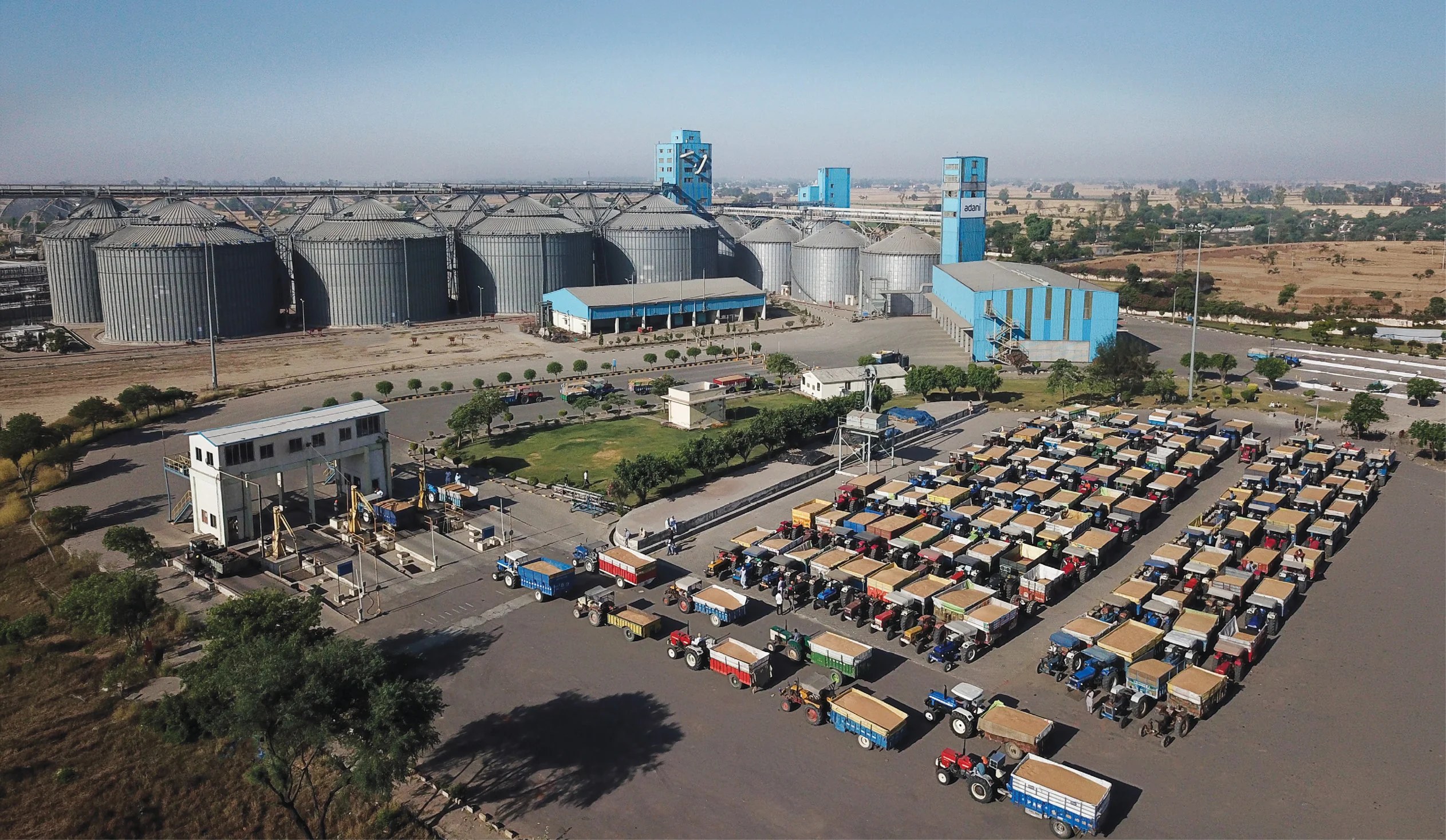
At the Adani Group, leadership, culture and ways of working are shaped by strong governance and entrepreneurial culture that enables speed, scale and responsible execution. Clear governance frameworks, defined decision rights and Board oversight ensure alignment with strategy, execution and long-term value creation. Our leadership culture is rooted in the values of Courage, Trust and Commitment that guides leaders to demonstrate ownership, integrity and accountability.
- Clear Delegation of Authorities (DOA)
- Defined decision rights, accountability and escalation frameworks
- Board oversight and governance frameworks
- Accountability not only on business outcomes but on effectiveness of ethical conduct, people stewardship, safety and inclusion
- ABEC framework for employees (behaviours and competencies)
- Cross-functional and cross business collaboration
- Entrepreneurial, execution-driven mindset
- Adjacency-led business model enables cross-entities collaboration
- Shared platforms for knowledge-sharing, joint planning and integrated decision-making
- Experimentation and learning through execution and continuous improvement
- Codes of conduct and governance standards
- Strong emphasis on people stewardship, psychological safety, overall wellbeing, human rights, inclusion and respect
- Encouragement to open dialogue, constructive challenge and respectful dissent
- Grievance and whistleblowing mechanisms
- Responsible stakeholder engagement
Change Management: A People-Led Journey
In a rapidly evolving global business landscape with shifting workforce expectations, the Adani Group embeds change management as a core leadership and people capability. This approach enables workforce agility, future-ready skills and organisational resilience to support long-term sustainable growth.
- Reskilling and upskilling for digital fluency, ESG consciousness and future roles
- Agile workforce models enabling faster decisions-making
- Leadership pipeline strengthened to manage complexity and multigenerational teams
- Structured learning journeys
- Internal talent mobility
- Exposure to next-generation leadership challenges
- Drive agility, accountability, innovation and resilience
- Leadership communication and role modelling to institutionalise adaptability
- Employee engagement and change adoption indicators
- Leadership capability assessments
- Talent readiness metrics for critical and future roles
- Course correction and continuous improvement
- Resilient, skilled and future-ready workforce
- Organisational agility to navigate disruption
Preparing for The Future
Guided by the Group’s growth and people philosophy, APSEZ has crafted strategic focus areas to cultivate a productive and positive workplace, integrating infrastructure expansion with deep human centricity.
Building Assets & Expanding Capacities
Our infrastructure development efforts are supported by initiatives that strengthen our operational capabilities to ensure smoother global trade and connectivity.
Nurturing a People-First Culture
We promote an inclusive and people-centric culture, championing geographical, gender and age diversity through continuous leadership engagement and focussed initiatives.
Boosting Internal Connectivity & Holistic Workforce Development
Close collaboration between HR and business leaders creates strong synergies that strengthen internal connectivity and enable holistic workforce development, positioning us as an employer of choice.
Capability Management
Enhancing employee skills and competencies to stay ahead of the evolving industry demands
Capacity Building
Scaling our operations to aid growth and global reach/presence
HR Digitisation
Simplifying and enhancing HR processes using technology to drive people efficiencies
People Analytics
Deploying data-driven insights to enable for informed decisions and promote a culture of continuous innovation
Organisational Effectiveness
What Future-Readiness Means for Us
Investing in Potential / Continuous Learning / Building Leaders at Every Level
Today, the business environment is evolving faster than ever. Technological change, shifting customer expectations, and new ways of collaborating are reshaping our journey. To stay ahead, we are continuously aligning our strategy, workforce capabilities, operating model, technology, and culture to evolving business, regulatory, technological, and sustainability priorities. We are investing in our people, strengthening our capabilities, and creating opportunities for every employee to thrive.
Framework for Agility, Productivity and Capability Building
To remain competitive and future-ready, we invest in continuous learning and structured talent development. Our capability building approach focusses on strengthening leadership, technical and functional skills, enabling our workforce to adapt, innovate and lead in a changing business scenario.
⊕ Read more under Learning and Development
Scalable Organisation Design and Capability Transition
APSEZ is strengthening a scalable organisational design to support growth, diversification and operational resilience. The model enables organisation to scale operations, integrate new businesses and adapt to technological and market shifts while maintaining governance discipline and execution excellence.
- Clear roles, layered accountability and flexible capability deployment
- Enables efficient expansion and integration of new businesses
- Continuous evolution of roles and skills aligned with automation, digitalisation and sustainability
- Strengthening cross-functional and leadership capabilities
- Talent redeployment to emerging priorities and growth areas
- Central strategic oversight with decentralised execution for quick responses to local and operational needs
- Alignment with the Group Standards, culture and performance expectations
HR Governance Mode
APSEZ deploys its HR strategy through a federated model that combines Group-level stewardship with decentralised execution for consistency, accountability and agility. This model is enabled by dual accountability, standardised HR systems and data-led governance.
- HR policies, frameworks and standards
- Local workforce management and implementation
- Consistent People Practices
- Scalable Growth
- Cohesive Group Culture
APSEZ’s Human Capital Transformation Strategy
APSEZ’s long-term human capital strategy focusses on building a future-ready workforce by aligning talent, capabilities and organisation design with long-term business growth, automation & digital transformation and evolving business models. The emphasis is on internal academies for critical skills (leadership, digital, commercial, operations), shifting from performance management to performance enablement, strengthening succession pipelines (multi-level leadership programmes; Emerging Mid → Senior → CXO), and enhancing the employee experience across the lifecycle. These priorities are supported by culture-building, digitised HR functions, and people analytics to drive innovation and adaptability.
Linking HR strategy to Business Continuity & Resilience
APSEZ’s HR strategy strengthens business continuity through succession planning, bench strength and agile organisational design. Workforce transition under STRAP and technology-enabled HR operations support resilience. Structured knowledge transfer minimises disruptions during role transitions. Integration of HR risks into governance and ERM processes ensures stable operations and sustained execution of business priorities.
Workforce Planning and Talent Acquisition
APSEZ adopts a forward-looking and data-driven approach to workforce planning, aligned with the organisation’s long-term growth strategy and evolving business needs. Our workforce planning philosophy emphasises anticipating future talent requirements, building leadership depth and ensuring workforce readiness across expansion, integration and transformation phases.
Strategic Workforce Planning (SWP) for Long-Term Growth
Analytics-Driven Talent Demand Forecasting
APSEZ integrates people analytics and Internal BI dashboards equipped with advanced analytical tools to monitor workforce dynamics and support informed talent decisions. These tools provide real-time visibility into HR key indicators, supporting agile workforce management.
People Analytics Insights:
- Headcount and workforce composition
- Recruitment cost and hiring efficiency
- Attrition, separation and retention trends
- Productivity and engagement trend monitoring
- Demographic and diversity analytics
Strategic Workforce Planning through People Analytics
People analytics enables APSEZ to:
- Identify workforce trends and demand patterns
- Forecast talent requirements aligned with expansion plans
- Conduct scenario-based workforce planning for growth, restructuring or technological shifts
- Improved talent acquisition cycle time and quality
Leadership Pipeline Development and Talent Readiness
Early identification and structured development of talent is central to APSEZ’s workforce strategy. Through analytics-driven capability assessments, the organisation continuously evaluates workforce skills and identifies areas of capability enhancement.
Future Skills Assessment
- Identification of current and emerging skill gaps
- Areas where essential competencies are inadequate or evolving
- Priority areas for capability enhancement and targeted recruitment
Leadership Pipeline Strengthening
Structured programmes such as:
- Adani Accelerated Leadership Programme (AALP)
- Knowledge-Sharing and Mentoring Programme
⊕ Read more under Learning and Development
Workforce Integration During Organisational Transitions
During expansions, mergers, or acquisitions, APSEZ implements a structured HR integration approach to ensure continuity and workforce stability.
The HR integration framework addresses:
- Alignment of organisational structures and staffing models
- Harmonisation of employment terms, compensation structures and grade frameworks
- Cultural integration and communication aligned with Adani Group processes
- Evaluation of industrial relations, productivity optimisation and workforce efficiency
Talent Acquisition, Mobility and Retention
Our talent acquisition strategy balances internal talent progression with selective external hiring, particularly for management and leadership roles. The objective is to build a dynamic workforce equipped with domain expertise and leadership capability, aligned with evolving business needs in the ports and logistics sector. Recruitment effectiveness is continuously enhanced through data-driven insights across sourcing, selection and hiring processes.
Internal Mobility and Career Progression
Internal job mobility plays a vital role in employee engagement and retention. Through transparent Internal Job Postings (IJPs) available to all employees, the organisation encourages career progression, engagement and retention, while addressing the evolving business needs.
Retention and Flight Risk Assessment
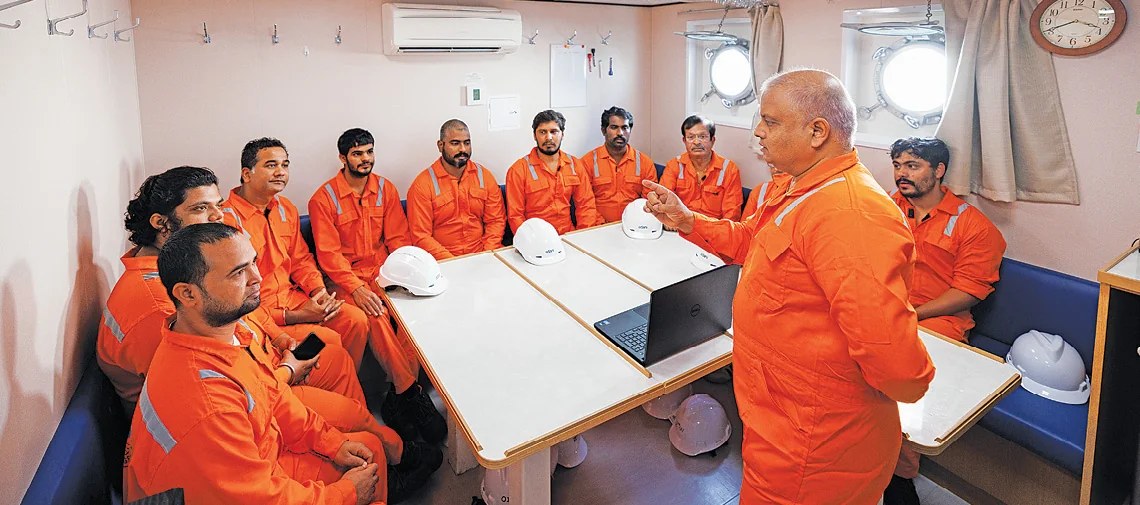
People analytics enables identification of potential flight risks and critical talent vulnerabilities, allowing proactive retention interventions through targeted development and engagement initiatives.
Cadre-Based Hiring and Capability Building
APSEZ follows a cadre-based hiring model to build a robust pipeline of domain experts across organisational levels and to address the dynamic nature of ports and logistics industry. This strategy emphasises on building early career talent pipeline, thereby strengthening the “bottom of the pyramid”, ensuring long-term leadership continuity.
Key elements include:
- Recruitment aligned with evolving business and technological requirements
- Development of deep domain expertise
- Leadership accountability in nurturing talent within their teams
Fair and Inclusive Hiring Practices
APSEZ follows a merit-based and inclusive hiring approach designed to attract talent from diverse backgrounds while ensuring fairness and equal opportunity. Recruitment processes adhere to statutory requirements and government guidelines and are supported by transparent selection practices, inclusive employer branding, and diverse sourcing channels to ensure equitable access to opportunities
Inclusive Development Through Local Hiring
The Adani Group is committed to enhancing the quality of life of the communities where it operates. The organisation recognises the role of skill building and employment generation, in promoting inclusive growth and creating shared value for both communities and the business.
At APSEZ, we prioritise local talent from within the communities surrounding our operational locations, contributing to the region’s economic development, strengthening community relationships and building a workforce with deep contextual understanding of local operating environments.
Furthermore, our employees actively participate in community development initiatives as per “Guidelines on Employee Volunteering” policy across our sites and project locations to create a deeper impact.
⊕ Read more under the CSR section
Domicile Hires
38%
of local hires in the overall talent pool in FY 2025-26
▲ 24% from previous year
20%
Percentage of senior management hired locally
Average monthly new hires and average hiring cost/FTE (in ₹)
| Particulars | FY 2023-24 | FY 2024-25 | FY 2025-26 |
|---|---|---|---|
| Average monthly new hires | 30 | 45 | 20 |
| Average hiring cost/FTE (in ₹) | 2,01,071 | 82,142 | 97,727 |
Percentage of open positions filled by internal candidates
| Particulars | FY 2023-24 | FY 2024-25 | FY 2025-26 |
|---|---|---|---|
| Open positions filled by internal candidates (%) | 12 | 43 | 57 |
Enabling a Just and Inclusive Workforce Transition
Adani Ports and Special Economic Zone Ltd. integrates Just Transition principles into its long-term ESG and sustainable growth strategy to ensure that business transformation driven by automation, digitalisation, decarbonisation and acquisitions, remains responsible and people-centric. As the organisation’s scales its ports and logistics infrastructure, workforce transition is managed through a structured and inclusive approach focussing on long-term and shared value creation. We have implemented several measures to reduce social transition risks while reinforcing the organisation’s commitment to responsible employment practices.
Our Strategic Approach to Just Transition
Managing workforce transition through a people-first, risk mitigated approach
Prioritising job stability, internal mobility and sustainable employment pathways
Upskilling employees to adapt to digital, automated and low-carbon operating model
Ensuring strong leadership continuity and structured workforce planning during transformation
People-first transformation that creates long-term value for employees, communities and the business
Cardre-based workforce architecture for predictable leadership succession and reduced dependence on external hiring
Integrated skill pathways aligned with port automation, smart logistics, digital platforms, safety excellence and sustainability-linked operations
Proactive workforce planning enabling future skill demand forecasting, redeployment readiness and succession risk mitigation
Decoupling workforce stability from market hiring volatility, maintaining manpower continuity during cyclical expansion, acquisitions and greenfield developments
Reskilling and upskilling programmes aligned with digitalisation, automation and environmental and safety compliance requirements
Redeployment frameworks across ports, terminals, logistics parks, and project sites to preserve employment continuity and institutional knowledge
Formal mentoring and career advisory systems to support employees during role transitions and long-term career progression
Sustained internal fill rates for leadership and critical operational roles, demonstrating effective internal mobility, and succession depth
Disciplined manpower cost ratios maintained during capacity expansion and M&A integration, balancing capital efficiency with workforce stability
Employees redeployment from mature ports to expansion and greenfield projects, enabling knowledge transfer
Accelerated development of cadre hires into operational, commercial, and leadership roles through structured exposure, mentoring, and capability assessments
Seamless integration of M&A workforces into APSEz' governance, safety, operating, and cultural frameworks
Learning and Development
At the Adani Group, learning is positioned as a strategic enabler of organisational excellence, leadership readiness and future-critical skill building. Our learning ecosystem is designed to strengthen execution capability, prepare employees for evolving business challenges and build a resilient workforce capable of sustaining long-term growth. Learning interventions are intentionally aligned with the organisation’s growth charter, operational priorities, and future skill requirements. These interventions enable future skill pathways by building skills in digital enablement, responsible business practices, climate and sustainability imperatives, and data-driven decision-making, embedded across roles and leadership levels. These programmes are delivered through a blended learning ecosystem and are applicable to permanent, contractual and, where relevant, other than permanent employees. Employee development programmes, including technical training, digital upskilling, safety, and behavioural training, are extended to contractual and site-based workforce, where relevant to role and operational requirements. This forward-looking approach to capability development directly contributes to business outcomes rather than remaining activity-driven.
Our Employee Development Programmes are designed to enhance professional skills and competencies beyond the minimum requirements of the current roles, supporting long-term career progression and organisational capability building. These programmes are over and beyond the mandatory or compliance-driven training, including annual recertification, basic occupational health and safety (OHS) or workplace security training, onboarding or induction programmes, training required to meet minimum job performance standards, Board training for newly appointed directors, and graduate, trainee, or apprenticeship programmes.
Our Learning Philosophy
Learning methods include:
1. Coaching & Mentorship
Adani Group strengthens employee development through structured coaching, mentorship and knowledge-sharing initiatives that enable experiential and peer-led learning. These include knowledge-sharingg sessions, green talks and expert talks, where internal experts share practical insights, lessons learnt and innovations from projects and operations. Cross-functional and cross business interactions further support mentoring and knowledge transfer, helping preserve institutional knowledge, accelerating learning for new joiners and building leadership and technical depth across the organisation.
2. Teams and Networking
Employees are encouraged to participate in internal and external professional networks, communities of practice and cross-functional forums that facilitate the exchange of ideas, best practices and domain expertise. Learning through interactions with customers, suppliers, industry partners and peer organisations enables employees to gain practical insights, stay abreast of industry trends and strengthen problem-solving capabilities. This is supported through a mix of face-to-face engagements – such as workshops, seminars, conferences and corporate events – and digital collaboration platforms, including enterprise social networks and Teams-based groups, which enable real-time knowledge-sharing, peer learning and collaboration across locations and businesses.
Competency-Driven Capability Development
Adani Behavioural Competency Framework
This unique framework integrates capability building and leadership development, ensuring competence-based progression opportunities for employees by synergising talent development with growth. The framework emphasises challenging assignments and talent development opportunities, to enable employee empowerment.
Digital Learning Ecosystem
To enable continuous and self-directed learning, the organisation leverages eVidyalaya–Percipio, a digital learning platform that provides employees with access to curate learning modules across risk management, compliance, leadership and essential soft skills, enabling continuous, self-driven learning.
Adani Accelerated Leadership Programme (AALP)
Programme Description
AALP is a flagship programme designed to develop high-potential candidates selected from premier institutions. Structured job rotations, early-career challenges and immersive development opportunities equips this cohort to business-related complexities effectively.
Impact
Participants gain a holistic understanding of business operations, preparing them for long-term careers with the organisation.
Knowledge-Sharing and Mentorship
Programme Description
This 18-24 month structured mentor-mentee programme engages senior professionals with high performing first-time and functional managers to groom them into well-rounded business leaders. The programme follows the 70:20:10 learning model to equip emerging leaders with the skills to navigate the complexities of an evolving global business landscape. The programme strengthens leadership readiness, deepen functional and business understanding across this employee cohort.
Benefits
The high performing employees under the programme are subsequently placed in expanded roles with higher responsibilities, aligned with business requirements, strengthening the leadership pipeline.
Multi-Level Leadership Development
Adani Core Leadership Program (ACLP)
Program Description
The Adani Core Leadership Program (ACLP) is a flagship, longitudinal leadership development initiative designed to build a strong pipeline of future-ready leaders across the organization. The program spans 25 weeks and comprises 50 structured sessions delivered across key themes including Digital, People, Finance, Business Immersion, and Core Competencies. Through a blend of expert-led sessions, leadership interactions, and practical application, ACLP focuses on strengthening strategic capabilities and enterprise-wide understanding.
Objectives
ACLP aims to nurture high-potential talent by enhancing strategic thinking, fostering an ownership mindset, and improving cross-functional effectiveness. The program is designed to align emerging leaders with the Adani Group’s values, business priorities, and long-term growth vision, while enabling them to take on larger and more complex roles within the organization.
Impact and Outcomes
The program creates a structured pathway for leadership development by combining continuous learning with individualized growth planning through tailored Individual Development Plans (IDPs). The 3 layer learning (Skill Development for due diligence capable work - immersive learning phase - Resilience & Adoptability) approach to build breadth, depth and leadership maturity. It drives greater collaboration across functions, enhances decision-making capabilities, and builds a deeper understanding of business dynamics, thereby strengthening organizational leadership bench strength.
Building Digital Capabilities Aligned with Industry 4.0 & 5.0 Trends
Programme Background and Description
In today’s evolving world marked with rapid technological changes and regulatory landscapes, organisations require a workforce beyond the roll-based skill sets, demonstrating learning agility, flexibility, and resilience. Digital transformation, automation, and new ways of working redefine new-age roles and processes. To address this, the organisation has implemented digital upskilling initiatives aligned with Industry 4.0 and Industry 5.0 trends. These programmes enable employees and leaders to effectively leverage advanced technologies while maintaining a human-centric and responsible approach to innovation.
Programme Objectives
- Strengthen employees’ learning agility and openness to change
- Enhance capabilities in digital and data-driven technologies and automation
- Enhance analytical thinking, cognitive flexibility, problem-solving and decision-making capabilities
- Enable employees work effectively with intelligent and automated systems
- Prepare the workforce for future roles, and new ways of working
- Foster resilience, collaboration, and accountability during periods of change
Impact and Outcome
- Enhanced workforce productivity and operational efficiency, with digitally-trained employees contributing to ~8-10% reduction in process turnaround time
- Faster adoption and execution of AI, data-driven decision-making, and cybersecurity practices
- Human-centric technology adoption, with reduced talent risk and stronger sustainability and employability
- Strengthened alignment with organisation’s sustainability & ESG imperatives
- Improved workforce productivity and performance
FTE Participation in FY 2025-26
Employees covered through digital skills upgradation programmes in FY 2025-26: 2,266
Adani Group’s cultural education initiatives foster awareness, inclusion and alignment with the Group’s values, enabling employees to work effectively across diverse teams, businesses and geographies.
Cultural Alignment of Leaders
“Anubhav” is a specially curated onboarding and immersion programme for the Leadership Team and Functional Heads, aimed at their cultural assimilation and strategic alignment. It provides a deep understanding of the Adani Group’s Vision, Mission, Values, governance philosophy and leadership expectations, reinforcing its entrepreneurial culture, sustainability focus and people-centric approach, thereby strengthening leadership effectiveness and cohesion.
Cultural Alignment of Employees
Online cultural education modules unify employees across levels, enabling effective navigation of multicultural environments. These modules promote:
- Respect for cultural diversity
- Inclusive behaviours and collaboration
- Ethical conduct and shared organisational values – code of conduct
In addition, cultural assimilation and orientation programmes help new joiners to integrate smoothly into the Adani ecosystem and align their behaviours with the Group’s purpose and value system.
Adani Skills & Education partners with Adani Ports and Special Economic Zone Ltd. (APSEZ) to build and strengthen the technical capacity of port operators (contractual employees) across locations. The holistic development framework integrates technical training with behavioural, supervisory and interpersonal skills development, recognising their criticality in conducting safe, efficient and reliable port operations, while driving sustained operational excellence and people effectiveness.
Technical Capability Development
Structured programmes, delivered in collaboration with Adani Skills & Education, equip port operators with:
- Role-specific technical knowledge and operational skills
- Safety, compliance and process excellence capabilities
- Exposure to evolving port technologies and operational best practices
These programmes ensure operational readiness, adherence to safety standards and consistent service quality across port operations.
The Career Transition Programme is a structured, voluntary employee support initiative designed to enable responsible and dignified career transitions during key employment lifecycle events such as superannuation/retirement, workforce restructuring, business closure or divestment. The programme provides holistic coverage across financial preparedness, statutory benefit awareness, future career and livelihood guidance, employability support, upskilling and digital readiness, and emotional well-being. Delivered through internal HR coordination and external expert partners, the programme supports employees in making informed decisions on retirement, second careers, entrepreneurship or alternative livelihoods, while ensuring confidentiality and data privacy. This initiative reinforces human transition practices, workforce resilience, and long-term employability beyond statutory obligations.
We follow a structured evaluation mechanism to measure the effectiveness of training outcomes through:
- Pre and post-training assessments, manager feedback, and behavioural observations to evaluate applications of skills in real work scenarios
- Performance indicators such as productivity, safety compliance, digital adoption, and resilience to track measurable progress
- Succession readiness metrics to assess programme’s contribution towards strengthening the leadership pipeline
APSEZ’s Training Highlights in FY 2025-26
31,52,229
Total Training Hours
37,308
Hours of training provided for digital and analytical skills upgradation
3,298
Hours of training provided for sustainability and climate skills upgradation
3,49,624
Hours of training provided for technical skills upgradation
26,318
Hours of training provided for behavioural skills upgradation
27,35,681
Hours of training provided for health and safety skills
8
Training Mandays of total workforce
Training Hours by Employee Category: E-Training
| Male (Age in years) | Female (Age in years) | Grand Total | |||||||
|---|---|---|---|---|---|---|---|---|---|
| <30 | 30-50 | >50 | Total | <30 | 30-50 | >50 | Total | ||
| Top Management: | - | - | 0.26 | 0.26 | - | - | - | - | 0.26 |
| Senior Management: | - | 377.86 | 1,056.18 | 1,434.04 | - | - | - | - | 1,434.04 |
| Middle Management: | 347.22 | 8,048.02 | 3,456.11 | 11,851.35 | 23.8 | 11.77 | - | 35.57 | 11,886.92 |
| Junior Management: | 6,845.44 | 26,133.5 | 3,809.81 | 36,788.75 | 1,056.15 | 674.75 | 3.61 | 1,734.51 | 38,523.26 |
| Management Trainees: | 249.55 | - | - | 249.55 | - | - | - | - | 249.55 |
| Non-Management Categories: | 11.15 | 112.64 | - | 123.79 | - | 4.5 | - | 4.5 | 128.29 |
| Total | 7,453.36 | 34,672.02 | 8,322.36 | 50,447.74 | 1,079.95 | 691.02 | 3.61 | 1,774.58 | 52,222.32 |
Performance Management and Talent Enablement
At APSEZ, we have adopted a structured performance management framework that aligns individual performance with organisational priorities, enabling continuous capability development. The system emphasises fair evaluation, transparent feedback and performance-linked growth. This approach ensures that employees understand their role in delivering business outcomes and long-term organisational success.
Biannual Performance Evaluations
Thorough assessment of employee’s performance and development needs
Multi-tier Review Process
Direct feedback from reporting managers and oversight from higher departmental authorities
Four-Tier Rating Scale
Rating-based categorisation of top, strong, good, or inconsistent performers, rewarding excellence and formulating improvement and progression roadmaps
Compliance with Code of Conduct
Integrated into performance appraisal, with any breach making the employee unsuitable for appraisal
Structured Multi-Dimensional Assessment
- Psychometric testing and situational judgement evaluations
- Case studies and role-playing exercises
- Behavioural event interviews
Independent Validation
- Third-Party audits to optimise Organisational Citizenship Behaviour and productivity
Merit-Based Decisions
- Promotions based on assessment outcomes and individual performance scores
- Alignment with role requirements and availability of vacancies
Management by Objectives (MBO)
- Annual strategic planning to identify organisational priorities, expanding them into measurable KPIs and projects for various units
- Manager-employee partnerships for aligning individual KPIs with organisational goals
- Outlines individual roles in achieving team and organisational goals
360-Degree Feedback
- Gathering feedback from multiple sources to assess employee performance
- Feedback encompasses metrics such as job-specific skills, communication, leadership, teamwork, and interpersonal skills
- Provides a clear understanding of the employee’s performance, enabling individual development and overall improvement
Team-Based Evaluation
- Assessment on collaborative team behaviour and contribution
Agile Performance Conversations
- Mid-year reviews and feedback from managers ensuring continuous performance dialogues
- Enables course correction and goal recalibration by employees
- Capacity support from the immediate reporting officer to enable goal achievement
Open Dialogue Culture
- Encouraging continuous feedback to support performance and development
“Anytime Anyone Feedback” Mechanism
- Real-time feedback between employees and managers at any time
- Timely insights improve performance and working relationships
Post Appraisal Individual Feedback Sessions
- Review performance outcomes and discuss future aspirations
- Promote transparency, strengthen the employee-manager relationship, support continuous improvement and development
100%
of our employees are covered under performance and career development reviews
Performance-Linked Capability Development
APSEZ integrates performance management with a competency-based development framework. Role-specific competencies and performance outcomes are assessed independently but aligned through Individual Development Plans. System-enabled insights guide targeted learning, address capability gaps, support career progression and succession decisions, and drive improvements in workforce productivity.
Performance Appraisal (Break-up)
| FY 2025-26 | Total | ||
|---|---|---|---|
| Male | Female | ||
| Top Management: | 11 | - | 11 |
| Senior Management: | 103 | 7 | 110 |
| Middle Management: | 494 | 17 | 511 |
| Junior Management: | 1,719 | 134 | 1,853 |
| Management Trainees: | 5 | - | 5 |
| Non-Management Categories: | 156 | - | 156 |
| Permanent Workers: | 675 | 51 | 726 |
| On-roll Employees: | 82 | 15 | 97 |
| On-roll Workers: | 2 | - | 2 |
| Total | 3,247 | 224 | 3,471 |
Wages (Management position-wise) (₹ in Lakhs)
| FY 2025-26 | ||
|---|---|---|
| Average Women Salary | Average Men Salary | |
| Executive level (base salary only) | - | 217.49 |
| Executive level (base salary + other cash incentives) | - | 293.84 |
| Management level (base salary only) | 27.75 | 23.18 |
| Management level (base salary + other cash incentives) | 28.37 | 24.81 |
| Non-management level | 125.61 | 94.5 |
Ratio of Wages
| FY 2025 -26 | |||
|---|---|---|---|
| Executive level | Management level | Non-management level | |
| Ratio of Base Salary | - | 120% | 133% |
| Ratio of Remuneration | - | 114% | 133% |
Performance-Linked Compensation
Based on the employee grades, a significant portion of the Total Cost to Company (CTC) is allocated as performance-based incentives:
- O1 to E1 Grades: 10% of the CTC is linked to Performance-based incentive
- E2 to E4 Grades: 15% of the CTC is linked to Performance-based incentive
- General Manager (GM) and Above: Performance pay is linked to a combination of individual performance and organisational outcomes, including Environmental, Social, and Governance (ESG) objectives
Performance pay is determined through organisation’s four-point scale within the Performance Management System, with qualitative adjustments made for ESG performance and safety considerations in the case of senior management personnel.
Performance Pay Components
- Individual Performance (70%): Covers individual goal and ESG performance
- Organisation Performance (30%): Measured in terms of business goals and financial performance, with a weightage of 50% on revenue, 25% on EBITDA, and 25% on Return on Capital Employed (RoCE)
ESG-Linked Performance
APSEZ has strategically integrated Environment, Social and Governance (ESG) performance into executive compensation, aligning individual contributions with organisations ESG imperatives. The evaluation metrics include compliance with the Code of Conduct, Human Rights, Financial and Operational Targets, Risk Management, IT, Cybersecurity, and Customer Satisfaction.
CEO’s Compensation Structure
CEO’s remuneration comprises fixed salary, variable pay, and long-term incentive. The variable pay and long-term incentive are linked to both financial and ESG indicators, including Total Shareholder Return, Revenue, EBITDA, ROCE, Health & Safety Metrics, Human Rights Parameters, Energy Intensity, GHG Intensity, Water Intensity, Zero Waste to Landfill (ZWL), and Mangrove Afforestation (Biodiversity).
Remuneration of the Executive Directors, and the CEO is recommended by the Nomination and Remuneration Committee (NRC), based on industry benchmarks, the company’s performance vis-à-vis the industry, Tobin’s Q, individual responsibilities, and performance/track record.
Succession Planning
APSEZ maintains a structured succession planning framework for critical leadership and strategic roles that applies to all employees in the 01 level and higher, including the CEOs. The framework is supported by a robust responsibility matrix that identifies, develops company’s future leaders, and specifies roles and responsibilities of the senior management and the human resources department.
Critical roles are systematically identified through an evaluation led by the HR Head (Operating Unit / Corporate) and the COO / the CEO / Business Head. Positions are categorised based on:
- Organisation’s ability to sustain its business operations and avoid any adverse effect it might face as a result of such vacancy
- Ease of availability and quality of such resource / skills in the talent market
- Contribution to the topline / bottom-line in terms of Gross Revenue, Net Profit and EBIDTA, in absolute relative terms
The process also considers the organisation’s five-year business strategy to ensure leadership readiness for future priorities. Positions are categorised accordingly and succession plans are reviewed annually, or earlier in case of significant business changes. This structured approach ensures transparency, leadership pipeline strength and alignment with APSEZ’s long-term growth objectives.
Diversity Equity and Inclusion
At APSEZ, we remain committed to nurturing a diverse, equitable and inclusive workplace where everyone has equal opportunities to grow, contribute and thrive. The organisation integrates DEI principles into leadership development, people policies and workplace practices to foster a respectful, safe and high-performance culture.
Inclusive Workplace Culture
Promoting respect, fairness and belonging across all levels of the workforce
Leadership-led engagement and sensitisation initiatives
Programmes to build awareness and remove unconscious bias
Equal pay commitment regardless of the gender
DEI in Action Programme
Structured DEI training across junior, middle and senior management
Sensitisation initiatives for management cadre to foster inclusive leadership behaviours
Focus on enabling diverse talent to realise their full potential
Safe & Respectful Workplace
POSH awareness sessions and compliance training
Women’s health talks and wellbeing initiatives
Observance of World Menstrual Hygiene Day
Monthly engagement meetings for employees’ spouses
During the year, APSEZ conducted a series of POSH Awareness Training – “Empowering a Safe Workplace” sessions to strengthen awareness, encourage responsible workplace behaviour and reinforce compliance.
Anti-Discrimination Mechanism
At APSEZ, our Code of Conduct and HR policy framework articulate our stance on equal opportunity and zero tolerance towards discrimination, harassment, and abusive conduct. A confidential and fair mechanism enables employees and stakeholders to report concerns without fear of retaliation. All cases are monitored through structured oversight, with corrective actions implemented where required. Regular DEI and human rights training programmes strengthen awareness and compliance.
Gender Pay Parity
We follow a structured compensation framework based on the principle of equal pay for equal work, regardless of the gender, ensuring fairness across all employee categories.
Measures to Ensure Equal Pay Commitment
- A uniform performance evaluation and compensation framework is applied across all employee categories, covering executive, management, and non-management cadres
- Compensations decisions are uniformly based on role, level, responsibility, performance, and market benchmarks
- Periodic internal reviews are conducted to assess and correct any unintended gender-based disparities in the compensation structure
97%
Remuneration Ratio (Female/Male)
⊕ Read more about performance-linked compensation
Care and Motivation
Employee Wellbeing and Support
The Adani Group recognises that holistic wellbeing is vital to building a resilient, engaged and high-performing workforce. Our approach goes beyond traditional workplace benefits to create a holistic ecosystem that supports employees across their professional and personal lives. Through a multi-dimensional framework, we address the physical, mental, emotional and financial wellbeing of our people. This framework is supported by initiatives that promote work-life balance, safety, quality of life and family welfare for both office-based and site-based employees.
- Workplace and personal stress management programme, including wellness coaching, nutrition, guidance, and mediation sessions
- A four-month Individual Wellness Journey for senior leadership on holistic wellbeing practices, including pulse diagnosis, nutrition, meditation and wellness coaching
- Employee Intelligence (EI) programme for Graduate (GETs) and Postgraduate Engineer Trainees (PGETs), developing self-awareness, empathy, collaboration, relationship management skills and intelligent leadership
- Physical activity facilities, virtual exercise and yoga sessions
- Awareness programmes on preventive health care such as posture, heat stress, infectious and air quality-related diseases
- Sports and team building activities, including an intra-business cricket tournament
- Open-air gym at Gangavaram Port and sports activities across locations including badminton, chess and carrom
- Mandatory periodic health checkups for all employees
- Onsite medical facilities and emergency first-aid support by qualified medical practitioners at corporate and site offices for all permanent and contractual employees
- Coverage under the Adani Group Mediclaim Policy for employees, spouses and up to two dependent children, with optional parent coverage
- A critical illness policy extending support to employees’ parents
- Hospitals and health centres depending on the size and nature of facilities
- 48-hour work-week limit across offices in India
- Flexible working hours and work-from-home provisions under Working Hours Guidelines
- Employees’ Children Education Scholarship Policy
- Employee Children Education Loan Interest Subsidy Policy
- Site-level recognition of the academic achievements of employees’ children
- Paid parental leave, including 26 weeks of maternity leave and six days of paternity leave
- Creche and lactation facilities are available at sites to support working parents
- Retirement benefit plans for all employees
- Employee welfare policies for all employees including loan policies, housing loan interest subsidies, telecom policy and marriage gift policy
- Death Benevolent Fund (DBF) to provide financial assistance to families of deceased employees
Adani Group places strong emphasis on psychological safety, enabling employees to express views, raise concerns and share ideas without fear of retaliation.
Employee Benefits
| FY 2025 -26 | ||
|---|---|---|
| Male | Female | |
| Total number of employees who were entitled to parental leave | 3,247 | 224 |
| Total number of employees that took parental leave | 71 | 3 |
| Total number of employees who returned to work in the reporting period after parental leave ended | 71 | 2 |
| Total number of employees that returned to work after parental leave ended that were still employed 12 months after their return to work | 59 | 2 |
| Return to work rate of employees that took parental leave | 100% | 67% |
| Retention rates of employees that took parental leave | 83% | 67% |
Wellbeing of Remote and Site-Based Workforce
Safety and wellbeing of our workers operating in geographically isolated and high risk environments is treated as core operational priorities, not peripheral HR initiatives. The organisation integrates mental wellbeing into Occupational Health & Safety Management Systems (OHSMS). By integrating safety systems, accessible healthcare and worker welfare infrastructure, the organisation ensures physical safety, mental resilience and dignified living conditions for site-based workers.
Safety-First Wellbeing Culture
- Regular safety campaigns, drills and tool-safety inspections
- Leadership-led safety engagement at sites
- Proactive hazard identification and preventive controls
- Awareness programmes addressing stress, fatigue and mental wellbeing
Overtime Compensation and Compensatory Off
Overtime and compensatory off are governed by a centrally defined Attendance Management Policy, administered via HRMS with defined eligibility thresholds, manager approvals, system-generated balances, and time-bound utilisation. Any deviations require signoff as per DoA, ensuring consistency, transparency, regulatory compliance and robust audit and governance controls across entities.
Meaningful Employee Engagement
At APSEZ, engagement begins with a strong connection between individual roles and the organisational vision, values, and purpose. Our approach integrates purpose-led leadership, performance and growth opportunities, seamless employee experiences, recognition and inclusion, holistic wellbeing and continuous listening. Embedded across leadership practices and people processes, this framework cultivates a motivated, resilient and high-performing workforce across businesses and functions. Our employee engagement model is designed to strengthen trust and day-to-day engagement and focus on continuous improvement through data-led insights.
APSEZ’s Employee Engagement Model
- Communicating how individual contributions link to business impact and purpose
- Demonstrating organisational values through everyday behaviours
- Building trust through transparent communication and visible leadership engagement
- Simplifying HR processes through digital platforms and self-service
- Ensuring timely resolution of employee queries
- Using feedback and analytics to improve experience touchpoints
- Recognition programmes that celebrate performance and behaviours aligned to values, boosting happiness
- Inclusive engagement platforms and activities across functions and locations
- Forums and initiatives that encourage participation beyond day-to-day roles, strengthen belonging, purpose and job satisfaction
- Surveys and feedback forums to measure engagement, employee sentiment, happiness and stress
- Identify focus areas and hotspots
- Implement targeted action plans at Group, BU, and site levels to improve job satisfaction and reduce stress
Listening to Our People
At APSEZ, we have formal mechanisms to capture employee feedback, which we carefully analyse to improve our workplace practices, enhancing trust and build a culture of continuous improvement.
APSEZ’s Employee Engagement Score
| Scale and percentage | FY 2022-23 | FY 2023-24 | FY 2024-25 | FY 2025-26 | Target FY 2025-26 | |
|---|---|---|---|---|---|---|
| Employee Net Promoter Score | 0-10 | 8.2 | 7.9 | 7.9 | 8.3 | 8.5 |
| Employees covered | % | 100 | 100 | 100 | 100 | - |
Note: The survey aspects considered: Job experience, Happiness, Purpose and Stress Management
Rewards and Recognitions
APSEZ promotes a culture of excellence and motivation through structured awards and recognition programmes aligned with its performance management framework, celebrating employee contributions and innovations.
Pratishtha (Mundra and Tuna Ports): Awards across categories such as Innovation, Pride, Techie and Dignity of Workforce
Advantage Club Digital Portal for rewards and employee benefit management, financial wellness and employee digital communities
Gaurav Awards (Hazira and Dahej Ports): Annual recognition of outstanding employee and associate contributions
Spot Recognitions to encourage employees for initiatives in energy conservation, waste reduction and sustainability
Monthly site-level recognition events for employees, contractors and workmen
Long-Term Service Awards
Expression of gratitude and recognition for 10, 15, 20 or more years of valuable service by employees
Long-Term Incentives for Employees
A “Retention Bonus” scheme for specific employees with over 3 years of service. The employees are rewarded based on both business performance and sustainability goals, such as achieving net zero by 2040
Short-Term Incentive for Employees
“Maadhyam” programme to incentivise employees who contribute impactful ideas on sustainability, operational improvements and organisational excellence
Maadhyam: Incentivising Employee Contribution
Maadhyam programme has been conceptualised to encourage employees to contribute innovative ideas that enhance strategy, operational efficiency, safety and ESG performance. The ideas are evaluated based on their scope of influence, financial impact, and contributions to process or safety improvements. Selected ideas are recognised through tiered incentives ranging from ₹ 5,000 to ₹ 50,000, depending on their impact and successful implementation.
Group-Level Engagement Initiatives
Blood Donation Drive
Over the years, we have commemorated our Chairman’s birthday each year with a blood donation camp across all our business locations. During the most recent financial year, widespread participation from our employees, their family members, and our contractors resulted in a significant volume of blood being collected. Since the inception of this initiative, our sustained blood donation efforts have played a meaningful role in supporting healthcare needs and contributing to the saving of many lives.
Leadership-Led Townhalls
During the year, the employees were engaged through the Parivar Ki Baat Townhall series led by Shri Karan Adani.
AI and Analytics are core enablers of sustainable value creation, organisational resilience, and long-term competitiveness as they enable data-backed workforce decisions aligned to business growth and transformation agendas, while mitigating people-related risks in an increasingly dynamic business environment. We deploy AI and analytics across the HR Lifecycle to streamline our processes and enhance employee experience.
- AI-based candidate sourcing and screening
- Bias-mitigated shortlisting
- Predictive quality-of-hire models
- Chatbots and digital assistants for engagement
- Real-time performance analytics
- AI-enabled feedback nudges
- Predictive identification of high-potential and a risk talent
- Objective performance insights
- Mapping current and future skill requirements
- Personalised learning recommendations
- Learning impact analytics
- Digital academies and adaptive learning platforms
- AI-based sentiment analysis
- Early identification of disengagement and attrition risk
- Personalised engagement journeys
- Digital HR assistants
- Predictive workforce demand and supply modelling
- AI-driven succession planning
- Redeployment and internal mobility analytics
- Cost and productivity optimisation models