
Respecting and protecting people rights

At APSEZ, we consider human rights to be the fundamental, universal and inalienable entitlements that every person holds simply by virtue of being human. We strongly believe that these rights are universally applicable to all, regardless of race, sex, nationality, ethnicity, language, religion, or any other status. Such rights span a wide range – extending from the most basic, such as the right to life and liberty, and freedom from slavery and torture, to essential civil, political, economic, social, and cultural rights, including freedom of opinion and expression, the right to work, education, health, and more.
As a people forward organisation, APSEZ recognises the potential of its business to impact human rights across the value chain. We are resolutely committed to respecting and supporting all human rights in our operations, value chain, and services, in accordance with international standards and applicable law. Our approach to the protection of human rights is aligned to the overall Adani Group philosophy. It is driven by our proactive policies and actions aimed at safeguarding the interests of the people in our stakeholder universe.
Key Highlights for FY 2025-26
- Zero instances of child labour, forced labour, discrimination, harassment, or related human rights violations were reported
- No operations, sites, or suppliers were identified as having human rights risks in the latest assessment
- Strict adherence was ensured to the Prevention of Sexual Harassment (POSH) Act and internal policy, reinforced through regular awareness programmes and a robust grievance redressal system
57%
of employees completed mandatory DEI and Human Rights training, covering topics of ethical workplace practices.
75%
of suppliers underwent human rights risk assessments, focussing on child labour, forced labour, and workplace safety.
Capitals Impacted
 Human Capital
 Social and Relationship Capital
SDG Alignment
GRI Linkage:
Material Topics Impacted

As a people forward organisation, APSEZ recognises the potential of its business to impact human rights across the value chain.
Strong Commitment to Human Rights
Our commitment to the protection of human rights is an inclusive philosophy that is rooted in our core people-centric value system. It is powered by a comprehensive Adani Group Human Rights Policy and robust guidelines that serve as an ethical framework for our people and businesses. Rooted in the overarching Group philosophy of 'Growth with Goodness', these documents reflect our unwavering commitment to integrity and fairness, ensuring equitable treatment for all. They guide all our interactions with internal and external stakeholders, ensuring full compliance with the highest standards of ethical conduct.
The realisation of our commitment to human rights is manifest in the fact that our operations have never adversely impacted any indigenous communities, nor have such communities been identified within our operational areas. This exemplifies our total respect for the rights, traditions, and cultural heritage of indigenous peoples.
Cognisant of the growing importance accorded globally to the protection of human rights, we have consciously aligned our Human Rights Guidelines with the United Nations Guiding Principles on Business and Human Rights (UNGPs) and the International Labour Organisation’s Declaration on Fundamental Principles and Rights at Work. This alignment ensures all-encompassing protection of human rights, covering not only our employees but all our stakeholder groups, value chains, and partners. It reinforces our complete dedication to ethical business practices and respect for human dignity.
Key Elements of our Human Rights Guidelines
Our Human Rights Guidelines document codifies our commitment to human rights, and addresses the following key issues:
In pursuance of our people-focussed philosophy, we have embedded respect for human rights in the key policies and standards deployed across the company. These include:

Strategic Human Rights Protection Framework
Underlining our strong commitment to ethical business practices, our human rights protection strategy is designed as a robust framework benchmarked to the highest global standards. The framework is fully aligned with the United Nations Guiding Principles on Business and Human Rights (UNGPs) and the International Labour Organisation’s Declaration on Fundamental Principles and Rights at Work. This alignment underscores our exceptional focus on upholding human rights across the organisation, encompassing every aspect of our business operations.
Going beyond compliance, we have strategically set high standards for our value chains and business partners, encouraging them to integrate similar benchmarks into their policies and operations.
Key Pillars of Our Strategy
Human Rights Policy Effectiveness Monitoring Framework
Our human rights strategy involves continuous and effective monitoring of our policy, with a well-defined process in place to track and assess its implementation. The step-by-step strategy involves:
1. Data Collection & Insights: Gathering information from diverse sources, including grievance mechanisms, employee engagement surveys, internal audits, and supplier assessments, to identify potential risks and trends.
2. Performance Measurement: Tracking key human rights indicators, such as: percentage of workforce trained on human rights and DEI principles, number and nature of complaints related to human rights violations, frequency and scope of human rights impact assessments across operations and supply chains.
3. Independent Review & Fact-Finding: Conduct of thorough investigations by our Risk Management Committee into reported issues, ensuring impartiality and accountability in addressing concerns related to human rights.
4. Preventive & Corrective Actions: Implementation of proactive measures to prevent violations, and take swift, appropriate corrective actions whenever non-compliance is detected.
5. Continuous Improvement & Transparency: Conduct of regular reviews, enabling course correction and policy enhancement, followed by transparent communication of findings and progress to stakeholders through ESG disclosures and engagement forums.
Human Rights Due Diligence Process
We follow a well-defined human rights due diligence process to drive our people commitment, ensuring complete alignment with the international standards. The process includes:
- Proactive identification, prevention, mitigation, and addressing of potential human rights impacts across our business operations through a robust due diligence framework
- Detailed assessment of human rights risks within our own operations, across the value chain, and in new business relationships such as mergers, acquisitions, and joint ventures
Our approach covers:
- Governance & Oversight – Board-level committees, including the Corporate Responsibility Committee, CSR Committee, and Stakeholders’ Relationship Committee, provide strategic oversight, and ensure that human rights commitments are integrated into policies and aligned with material ESG aspects and business objectives
- Risk Identification & Assessment – We systematically identify and assess human rights risks across our own operations, value chain, and new business relationships such as mergers, acquisitions, and joint ventures. The process covers employees, workers, suppliers, consumers, and communities. Pre-merger assessments include country-level reputation and controversies related to issues such as child labour, forced labour, bonded labour, diversity, human trafficking, equal remuneration, sexual exploitation, and racial/gender discrimination
- Enterprise Risk Management – Our Enterprise Risk Management (ERM) framework combines a top-down and bottom-up approach to ensure comprehensive risk governance. Employees identify risks within their areas of expertise, while senior management sets the risk appetite, defines policies, and aligns risk management with strategic objectives. Mitigation strategies are developed collaboratively, approved by the Board, and implemented by respective functional teams at site level under corporate oversight, ensuring consistency and accountability across the organisation
- Remediation & Engagement – The Risk Management Committee investigates reported issues, adapts due diligence measures, and formulates remedies. Stakeholder engagement ensures corrective actions are implemented effectively and transparently
- Continuous Monitoring – Regular risk mapping and updates enable proactive mitigation. For example, we have implemented security check-in processes at all operational sites to detect risks related to child and forced labour
- Quantitative Tools – Self-Assessment Questionnaires (SAQs) for employees and suppliers are in place to strengthen internal controls
Heightened Due Diligence
Our robust Heightened Due Diligence process equips us to effectively address situations involving conflict or emerging human rights concerns within affected communities and vulnerable groups. This process ensures that our operations remain neutral and do not influence conflict dynamics in any manner. The key facets of this process are: enhanced risk assessments, stakeholder engagement, and continuous monitoring for prompt identification and mitigation of potential human rights impacts.
The process is designed to ensure identification, prevention, and remediation of human rights risks across operations and value chain.
Due Diligence for our Human Rights Risk Assessments
Screening & Assessment - SAQs and audits to identify risks in operations and suppliers
Risk Review - Prioritisation of medium/high-risk areas by Risk Management Committee
Enhanced Due Diligence - Elaborate, meticulous checks for high-risk areas and new business relationships
Action & Integration - Integration of Board-approved measures into business processes
Implementation - Execution of corrective actions by functional teams
Monitoring & Communication - Continuous tracking, transparent ESG reporting, and robust grievance mechanisms for timely remediation
The due diligence process across our supply chain comprises annual assessments backed by a robust approach for prevention of human rights abuses. It considers the criticality of suppliers to our commitment to upholding our values and meeting our human rights commitments. The key actions as part of the process include:
- Supplier Code Alignment – Ensuring compliance of suppliers with APSEZ’s Supplier Code of Conduct
- Risk Analysis – Assessing human rights risks across the supply base, including labour practices and working conditions
- Targeted Audits – Auditing facilities identified as high-risk for substandard conditions or potential human rights violations
- Capacity Building – Providing training for suppliers and employees to improve labour standards and environmental practices
- Collaborative Initiatives – Partnering in multi-stakeholder programmes for the development of tools and training to drive continuous improvement across the global supply chain
| Human rights risk assessment in last three years | % of sites subjected to human rights reviews or human rights impact assessments | Total assessed sites where risks have been identified (%) | % of the risk with mitigation actions taken |
|---|---|---|---|
| Own Operations | 100 | 3.8* | 100 |
| Contractors & Tier 1 Suppliers | 75 | 1.39 | 100 |
| Joint Ventures | 100 | - | - |
*The identified 3.8% corresponds to the previous years, i.e. FY 2023-24, where risks had been identified in newly acquired sites. The Group’s culture, values, principles, and best practices on safety, workers’ well-being, good working conditions, and protection of workers’ rights have been progressively implemented to mitigate any risk of Human Rights violations. In FY 2025-26, no sites were identified with Human Rights risks.
Salient Human Rights Risks
Driven by our non-negotiable respect for human rights, we have prioritised the following human rights issues to be addressed across our businesses and value chains.
Definitions
1. Forced Labour: Forced labour refers to any work or service that is exacted from an individual under the threat of penalty, and for which the individual has not offered voluntary service. Indicators of forced labour include, but are not limited to, unreasonable recruitment fees leading to debt bondage, deception, restriction of movement, isolation, abuse of vulnerability, intimidation or threats, abusive living or working conditions, withholding of wages, excessive overtime, and retention of personal identity documents.
2. Child Labour: Child labour constitutes work that deprives children of their childhood, dignity, and potential, and is harmful to their physical or mental development. It includes work that is mentally, physically, socially, or morally harmful to children, and interferes with their education by preventing school attendance, causing premature school dropouts, or requiring them to combine schooling with excessively long or heavy work.
Risk Exposure across the Value Chain
Risks related to forced labour and child labour may arise across communities and supply chains, particularly in warehousing operations, transportation, construction activities, and upstream material sourcing. Groups most vulnerable to such risks include migrant workers, agency and third-party workers, temporary and self-employed workers, as well as women and children.
Risk Prevention
At APSEZ, we work closely with suppliers and business partners to strengthen ethical labour practices and responsible recruitment systems across the value chain. We have launched various human rights risk prevention measures to strengthen our people risk redressal system. These include:
- A Responsible Recruitment Policy clearly articulating the supplier’s responsible recruitment commitment, setting expectations internally and externally for agencies, sub-contractors, and importantly, their other suppliers (our tier two suppliers)
- Clear contracts with agencies covering clauses relating to prohibition of passport retention, payment of recruitment fees, and prohibition of child labour
- Training for management and workers to understand the key components of responsible recruitment and its importance, and providing transparency for workers on their rights
- Grievance mechanisms allowing workers the opportunity to confidently raise any concerns they may have
- Background verification for each of the employees and workers
- Mandatory checks of government issued ID proofs
Definitions
1. Fair Wages: This refers to remuneration that meets or exceeds statutory minimum wage requirements, and is sufficient to cover the basic needs of workers and their families, while also providing a reasonable level of discretionary income.
2. Equal Remuneration: This is based on the principle that women and men should receive equal pay for work of equal value. This principle applies not only to identical or similar roles but also to different roles that are assessed as being of equal value, based on objective criteria such as skills, qualifications, working conditions, levels of responsibility, and effort required.
Risk Exposure across the Value Chain
Risks related to unfair wages and unequal remuneration may arise primarily within supply chains, particularly in labour-intensive and low-skilled segments. Vulnerable groups include workers engaged in part-time employment, outsourced activities, and contract-based arrangements.
Risk Prevention
- Prior to onboarding, suppliers are required to demonstrate compliance with all applicable labour laws and regulations, including statutory minimum wage requirements
- The Company’s remuneration practices comply with applicable laws in all jurisdictions where it operates. For Indian entities, this includes adherence to the Government of India’s Code on Wages, 2019, while international entities follow the respective local labour and wage regulations of their countries
- Periodic reviews of wage and salary structures are conducted to identify and address potential disparities, and ensure alignment with legal, ethical, and internal policy requirements
Definition
Reasonable working hours are those that are in line with statutory requirements and international labour standards, and support the physical and mental well-being of employees.
Risk Exposure Across the Value Chain
Risks related to excessive working hours may arise across various segments of the value chain, particularly in warehousing operations, construction activities, and transportation services. Vulnerable groups include migrant workers, agency workers, temporary workers, and self-employed individuals engaged through third-party arrangements.
Risk Prevention
- APSEZ adheres to regulations that limit the maximum number of hours an employee can work per week. For example, in India, the Working Time Directive limits the average working week to 48 hours
- Employees are provided mandatory breaks and rest periods during the working hours in accordance with legal and regulatory requirements
- Flexible working hours are offered to accommodate employees' personal needs and improve work-life balance
- Accurate records of employees' working hours are maintained to ensure compliance with labour laws
Definition
Health and safety is a fundamental human right, requiring a holistic strategy for ensuring compliance. Promotion of health and safety necessitates an approach that extends beyond workplace safety to include access to healthcare, clean drinking water, and a safe and healthy living environment.
Risk Exposure Across the Value Chain
Potential health and safety impacts may arise across the company’s own operations, within local communities (including indigenous people), and throughout the value chain. These risks may disproportionately affect vulnerable populations, underscoring the need for inclusive and equitable health and safety practices.
Risk Prevention
- Considering access to quality healthcare as a fundamental right of every individual, Adani Foundation relentlessly works to provide easy access to the highest quality of health facilities at the doorstep of community households, and to create a healthier society
- We actively promote inclusive practices that consider the needs of vulnerable groups, such as women, children, and individuals with disabilities. We make concerted efforts to ensure that health and safety measures are applied equitably
- We conduct an internal audit to check the working environment of the operating sites, and ensure that safe and clean drinking water is available for all the workforces
- We provide health & safety trainings to the workforce, related to their respective functional areas
Definitions
1. Discrimination: It refers to any unfair, unequal, or humiliating treatment of individuals on the basis of gender, sexual orientation, race, colour, age, pregnancy, marital or social status, religion, political opinion, nationality, ethnic origin, disease, disability, or any other legally protected characteristic.
2. Harassment: It relates to violence and harassment directed at persons because of their sex or gender, or affecting persons of a particular sex or gender disproportionately and includes sexual harassment.
Risk Exposure Across the Value Chain
Risks related to discrimination and harassment may arise within the company’s own operations or at any point across its value chain. They are particularly likely to arise where unconscious bias, entrenched workplace behaviours, or discriminatory practices exist. Vulnerable groups may include women, local communities, migrant workers, LGBTQIA+ individuals, and minority groups.
Risk Prevention
- We are firmly committed to upholding the rights of all employees and associates to express themselves freely in a workplace, devoid of discrimination or harassment, including sexual and non-sexual harassment and exploitation. We continually invest in fostering a safe and inclusive work culture, and have implemented a zero-tolerance policy aligned with the Sexual Harassment of Women at Workplace (Prevention, Prohibition, and Redressal) Act, 2013, applicable to all employees. Corrective or disciplinary action is taken in cases of discriminatory behaviour or harassment
- Suppliers are audited for their policy commitment as well as their systems and processes, in order to ensure prevention of harassment and discrimination
- Employees experiencing discomfort can report to their line manager, the centralised monitoring committee (GMC), or the respective Internal Complaints Committee (ICC) for each region or location. The Committee conducts investigations and takes disciplinary action, including termination, for guilty individuals
- To cultivate awareness, we conduct regular workshops, group meetings, online training sessions, and awareness programmes on preventing sexual and non-sexual harassment. All employees undergo training in discrimination and harassment as part of the Code of Conduct
- Comprises key stakeholders, including the Site Head, HR Head, HSE Head, Head of Security, Head of Corporate Affairs, and employee representatives
- Primary responsibility is to oversee the implementation of policies and ensure compliance across sites
- Operates at the site level as a subset of the GMC
- Includes key stakeholders among on-roll employees at the site level
- Structure ensures diverse representation, promoting inclusivity and transparency in addressing workplace concerns
- GMC provides guidance to ensure continuous compliance with established standards
- Helps maintain a work environment free from discrimination and harassment
- GMC actively monitors and reviews the functioning of the Internal Complaints Committee (ICC) and the GRC
- Serves as a facilitator, offering channels for employees to escalate complaints if they are not adequately addressed by the local ICC
- GMC has the authority to initiate a suo moto review of investigations or enquiries conducted by the ICC, in exceptional cases
- This proactive measure reinforces the organisation’s commitment to fair and thorough investigations
Escalation Process for Reporting Discrimination and Harassment Incidents
The Incident Reporting Procedure for Discrimination and Harassment at APSEZ reflects our non-negotiable commitment to upholding human rights as a moral obligation. We employ a robust Grievance Management System (GMS) to assist individuals in resolving issues related to human rights. The GMS provides a transparent and efficient platform for reporting complaints on various human rights concerns, including labour practices, ethics, and discrimination. This system ensures fair and timely resolution of grievances while maintaining the highest level of confidentiality.
- To report any concerns, anyone who is affected by, or interested in the company, such as workers, partners, clients, community members, and other stakeholders, can access the grievance section on the company’s website
- To enhance accessibility, grievance registers and complaint boxes are strategically placed at different sites and locations. APSEZ recognises the significance of providing a secure and supportive environment for all stakeholders to voice their concerns and seek resolution
- For optimal accessibility and efficient handling of grievances, APSEZ has established a dedicated email address – grievance.apsez@adani.com, where individuals, including employees and stakeholders, can report any grievances
APSEZ recognises that our workforce is a critical enabler of long-term value creation. Guided by our purpose and values, we have established robust programmes to manage labour practices, ensuring fairness, inclusivity, and well-being across all operations.
Labour practices are overseen by the Corporate Sustainability Committees, which ensure compliance with international labour standards and local regulations. Policies on fair wages, working hours, gender equality, and social protection are embedded in our governance framework.
Our approach to labour management supports our strategic objectives by fostering a motivated and skilled workforce. We aim to create an environment where employees thrive, contributing to productivity and resilience during industrial and climate transitions.
We recognise risks related to workforce well-being, such as wage disparities, excessive working hours, and skill gaps during transitions. Addressing these proactively through structured programmes reduces operational disruptions and enhances employee engagement.
Key initiatives include:
- Paying a Living Wage: Ensuring all employees earn wages at or above cost-of-living benchmarks, supporting financial security and dignity
- Working Hours & Overtime: Monitoring hours and ensuring overtime pay compliance
- Gender Pay Equity: Regular audits to close pay gaps between men and women
- Social Protection: Extending benefits like medical care, sickness benefits, maternity benefits, employment injury benefits and family benefits beyond statutory requirements
- Leave Management: Ensuring employees utilise paid annual leave for well-being
- Training & Reskilling: Programmes to prepare employees for industrial and climate-related transitions
- Employee Engagement: Continuous dialogue with workers’ representatives on working conditions
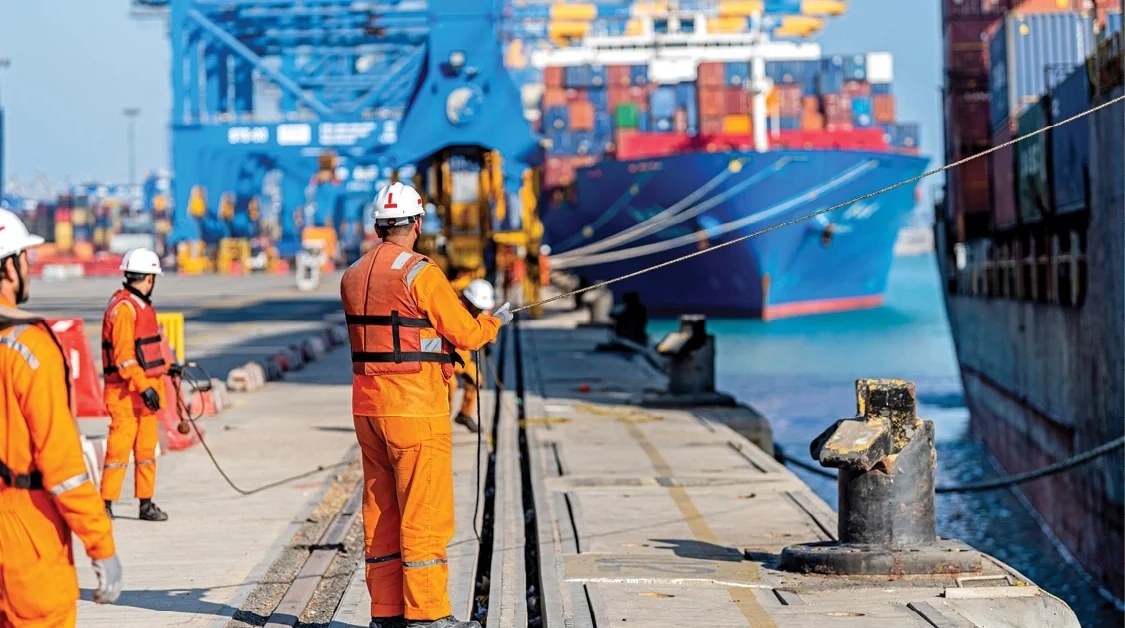
We respect and value our employees’ freedom of expression and take steps to protect their rights to form and join trade unions, negotiate, and participate in collective bargaining as per law. Workers are given the right to form union without fear of intimidation or retaliation. The company’s collective bargaining agreements with the employee unions cover critical topics such as health and safety, CSR initiatives, fair remuneration, reasonable working hours, skill development, career progression, work time flexibility, lifelong learning, stress management, and equal opportunities. Such collaborative measures and agreements help promote a positive and inclusive work environment, in alignment with the company’s goals.
32%
Employees covered by collective bargaining agreements
Mitigation and Remediation Measures
- Zero-tolerance policies on discrimination and harassment aligned with POSH Act, 2013
- Mandatory training on Human Rights, POSH, and Code of Conduct
- Monitoring of working hours and statutory compliance
- Fair and timely remuneration
- Access to grievance redressal through GMC, ICC and whistleblower mechanisms
- Responsible Recruitment Policy applicable to contractors and agencies
- Mandatory age and ID verification before deployment
- Contractual clauses prohibiting recruitment fees, passport retention, and child labour
- Periodic audits of contractors and corrective action plans
- Grievance access extended to contract workers
- Transparent employment terms communicated at the time of onboarding
- Equal access to health, safety, and grievance mechanisms
- Monitoring of sanitation and drinking water facilities
- Sensitisation training for supervisors on inclusion and non-discrimination
- Compliance with land acquisition, resettlement, and rehabilitation norms aligned with IFC standards
- Community engagement and consultation processes
- Health, education and livelihood initiatives through Adani Foundation
- Grievance redressal mechanisms for community concerns ensuring that there are no indigenous people near our operating areas
- Enhanced specialist Human Rights training for our security staff
- Ensuring that none of our operational procedures violates the Human Rights of any individual
- No Human Rights abuses involving our security personnel experienced till date
- In FY 2025-26, we trained 90% of security personnel on human rights policies
- Safety protocols and access controls at port facilities
- Non-discriminatory access to services
- Incident reporting and resolution mechanisms
- Human rights due diligence during M&A transactions
- Identification of legacy risks and integration of corrective action plans
- Alignment with UN Guiding Principles on Business and Human Rights
- Human Rights risks identified at 3 sites, and potential issues effectively diminished, with mitigative actions taken as per mitigation plans – the three sites (Gangavaram Port, Karaikal Port and Tumb ICD) have mitigation action plans in place; Organisation’s culture, values, principles, and best practices concerning safety, employee welfare, favourable working conditions, and safeguarding workers’ rights are being ingrained to minimise any possibility of Human Rights infringements
We have implemented a series of strategic actions to strengthen human rights safeguards across our operations and business relationships:
- Enhanced Risk Management Framework: Set up sub-committees under the Risk Management Committee to improve identification, assessment and mitigation of human rights risks
- Strengthened Governance: Enhanced representation of Independent Directors in key committees to ensure diverse perspectives and robust oversight on human rights matters
- Expanded Risk Identification: Broadened the scope of human rights risk assessments to include new business engagements, such as mergers, acquisitions and joint ventures, beyond direct operations and existing partnerships
- Stringent ESG Due Diligence: Applied robust ESG due diligence for offshore Mergers & Acquisitions and greenfield projects, integrating environmental and social impact assessments to proactively address potential risks
- Stakeholder Engagement: Conducted participatory human rights surveys with communities, suppliers, and customers to gather critical feedback and nurture trust
- Systematic Reviews: Undertook periodic reviews of potential human rights issues, and engaged with stakeholders to ensure alignment with our Human Rights Policy, addressing concerns promptly and effectively
In compliance with the New Labour Codes, as notified by the Government of India on November 21, 2025, we have implemented all the applicable provisions across our HR systems. We have also established cross-functional compliance committees for future-readiness. Digitalisation of registers, wage structures, and contractor-related documentation are other key facets of this strategy. We have initiated awareness programmes to update our employees and contractors with the new codes.
The Group has implemented the applicable provisions of the new labour codes and has aligned its internal systems and SOPs to ensure compliance. It will continue to refine these processes in line with the issuance of FAQs by the Central Government and the notification of rules under all four codes by individual states. This reflects the organisation’s strong commitment to adhering to all applicable laws and regulatory requirements.