
Conserving natural ecosystems with sustainable practices
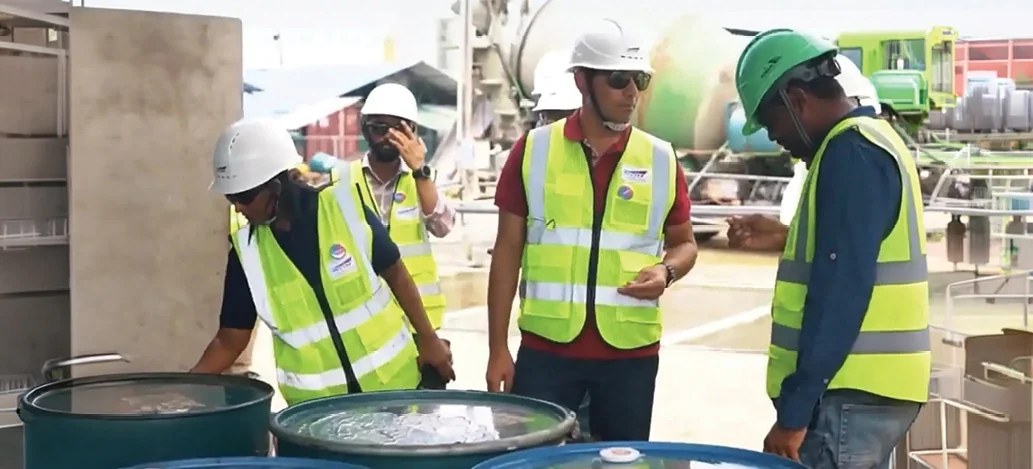
Biodiversity conservation is central to our sustainability and long-term value creation strategy. Our scientific and integrated approach to managing marine, coastal, and terrestrial ecosystems focusses on ecosystem protection, restoration, and responsible resource use. We are committed to protecting the natural ecosystem in the areas of our operations, and continue to invest proactively in mangrove conservation, biodiversity protection initiatives, and land restoration. Our biodiversity conservation strategy is designed to support resilient ecosystems alongside sustainable growth.
Key Highlights for FY 2025-26
4,240 hectares
Mangrove Afforestation Executed
1,267 hectares
Terrestrial Plantation Executed
3,042 hectares
Mangrove Conservation
1,156 ML
Of wastewater reused for horticulture purposes
Material Topics Impacted
SDG Alignment

GRI Linkage:
GRI 304
Capitals Impacted
 Financial Capital
 Social & Relationship Capital
 Natural Capital
We are committed to protecting the natural ecosystem in the areas of our operations, and continue to invest proactively in mangrove conservation, biodiversity protection initiatives, and land restoration
Policy Framework and Strategic Partnerships
- Environmental Policy integrating sustainability and biodiversity across operation
- Biodiversity Policy focussed on enhancement, conservation of sensitive ecosystems, and Net Positive Impact aligned with CBD 2050
- Signatory to the International Biodiversity and Business Initiative (IBBI)
- Member of International Union for Biodiversity Conservation (IUCN - Leaders for Nature)
- Ports aligned with Oil Spill Action Plans under the National Oil Spill Disaster Contingency Plan (NOS DCP)
- Adherence to IFC-PS6 and Taskforce on Nature-related Financial Disclosures (TNFD)
Biodiversity Commitments
Our commitment to environmental stewardship is guided by a proactive and precautionary approach that seeks not only to minimise biodiversity-related impacts, but also to actively restore and enhance ecological value across our operational footprint. We recognise biodiversity as a critical natural capital underpinning long-term business resilience, community well-being, and sustainable economic growth.
We are committed to achieving a Net Positive Impact (NPI) on biodiversity by 2050, beginning with the milestone of No Net Loss (NNL). This commitment reflects our intent to move beyond impact mitigation and towards positive ecological outcomes.
We are dedicated to achieving No Net Deforestation by 2050 within our operational footprint. We are also committed to avoiding eco-sensitive areas through focussed initiatives, which include steering clear of areas such as IUCN categories I-IV protected areas, UNESCO World Heritage Sites, and wetlands listed under the Ramsar Convention.
Our Biodiversity Management Plans (BMPs) are central to the delivery of our biodiversity ambition. These plans:
- Are aligned with our overarching biodiversity goals, risk profile, and evolving commitments toward nature-positive outcomes
- Enable the identification and prioritisation of high-value and sensitive biodiversity areas, as well as our key dependencies on ecosystem services
- Establish site-specific mitigation and management actions in line with the IFC(PS6) mitigation hierarchy – avoid, minimise, restore, and, offset residual impacts
- Define measurable actions and indicators to track biodiversity outcomes and inform adaptive management
- Support risk-informed and science-based decision-making across the full project lifecycle
Through the implementation of BMPs, we aim to systematically manage biodiversity risks while unlocking opportunities for conservation and restoration.
Alignment with Global Biodiversity Frameworks
Our biodiversity and environmental commitments are aligned with the principles of the Post 2020 Global Biodiversity Framework (Kunming–Montreal Global Biodiversity Framework) and the vision of the Convention on Biological Diversity (CBD) to live in harmony with nature by 2050. This alignment underscores our commitment to global biodiversity goals and responsible corporate action.
We are India’s first port operator to adopt the Taskforce on Nature-related Financial Disclosures (TNFD) framework, with a commitment to commence disclosures from FY 2026.
These initiatives strengthen transparency, risk management, and alignment with emerging global expectations on nature-related disclosures.
Roadmap Aligned to the Kunming Global Biodiversity Framework
We plan to align our biodiversity actions with the Kunming Global Biodiversity Framework through the following milestones:
- By 2035: Development and implementation of Biodiversity Management Plans for priority locations.
- By 2045: Achievement of No Net Loss of biodiversity, against a 2020 baseline.
- By 2050: Achieve our long-term vision of living in harmony with nature, in line with the Convention on Biological Diversity, while delivering a Net Positive Impact on biodiversity.
We assess our value chains annually on biodiversity aspects to understand their materiality related to biodiversity. Our efforts are aligned towards minimising any adverse environmental impact caused by our operations, and we aim to align our supply chains with our biodiversity policy.
None of our operational sites are located in identified biodiversity hotspots or protected areas, and we continue to make intensive efforts to conserve the natural ecosystems across our operations.
Key Elements of Our Approach to Biodiversity
Biodiversity KPIs
| UOM | FY 2021-22 | FY 2022-23 | FY 2023-24 | FY 2024-25 | FY 2025-26 | |
|---|---|---|---|---|---|---|
| Mangroves Afforestation Executed | Ha. | 3,239 | 3,990 | 4,240 | 4,240 | 4,240 |
| Terrestrial Plantation Executed | Ha. | 1,000 | 1,183 | 1,267 | 1,267 | 1,267 |
Effective Biodiversity Risk Assessment
APSEZ’s biodiversity risk management roadmap is anchored in a robust governance framework that emphasises rigorous regulatory compliance and the adoption of globally recognised best practices. This roadmap is strengthened through the systematic integration of biodiversity-related risk frameworks into the multi-disciplinary, company-wide risk management processes, ensuring consistent assessment and decision-making across business functions.
As part of our commitment to nature-related transparency and risk disclosure, APSEZ has initiated alignment with the Taskforce on Nature-related Financial Disclosures (TNFD) framework, commencing with three priority locations – Dhamra Port, Krishnapatnam Port, and Mundra Port. The TNFD assessment has been structured around its four core pillars: Governance, Strategy, Risk & Impact Management, and Metrics & Targets.
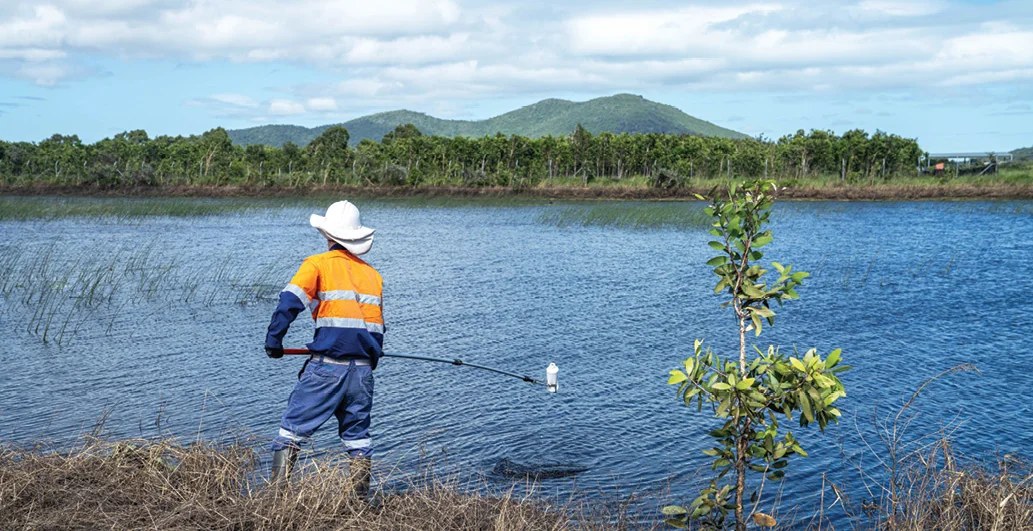
The TNFD-recommended LEAP (Locate, Evaluate, Assess, and Prepare) approach is applied to identify nature-related dependencies, impacts, risks, and opportunities across our value chain. To understand the interface between operations and nature, spatial and screening tools such as IBAT and RESOLVE were used. Sector-specific materiality is assessed using the ENCORE Nature tool, while site-level priority ecosystem services are identified through the Corporate Ecosystem Services Review. Additionally, the WWF Biodiversity Risk Filter is deployed to conduct location-specific risk assessments.
Scope of Biodiversity Risk Assessment
These assessments encompass impacts from our direct operations, adjacent areas surrounding our own activities, and immediate upstream and downstream value chain interactions, enabling a comprehensive understanding of biodiversity risks and informing targeted mitigation and management actions. This holistic approach recognises the interconnected nature of coastal and marine ecosystems, and helps in identifying and assessing risks arising from infrastructure construction, dredging, land reclamation, shipping activities, and changes in land and marine use.
The APSEZ Business Management Plan (BMP) establishes measurable indicators, site-specific action plans, and timelines, aligned with emerging science-based approaches.
Methodology for Identifying and Managing Nature-related Risk
Biodiversity Risk Screening (Proximity Analysis using IBAT)
Biodiversity and Ecosystem Services Assessment
- Biodiversity Assessment
- Identification of Impact and Dependency on Ecosystem Services
Risk Assessment
- Biodiversity Risk Assessment
- Identifying Nature-related Risk and Opportunities
Development of Management Plan
- Development of Biodiversity Management Plan
- Development of Ecosystem Services Valuation Report
Implementation of the Management Plan
Summary of Priority Ecosystem Services
| Category | Ecosystem Service | Dhamra Port | Krishnapatnam Port | Mundra Port | |||
|---|---|---|---|---|---|---|---|
| Dependency | Impact | Dependency | Impact | Dependency | Impact | ||
| Provisioning services | Freshwater | ||||||
| Capture fisheries | / | / | |||||
| Regulating services | Maintenance of air quality | // | // | // | |||
| Global climate regulation | // | // | // | ||||
| Regional / local climate regulation | |||||||
| Regulation of water timing and flows | |||||||
| Erosion control | / | / | / | ||||
| Water purification and waste treatment | |||||||
| Natural hazard mitigation | |||||||
| Cultural services | Recreation and ecotourism | NA | / | NA | |||
| Supporting services | Habitat | ||||||
Biodiversity Management Plan
In year 2025, we initiated structured Biodiversity Management Plan (BMP) development for three priority ports – Mundra, Dhamra and Krishnapatnam. External stakeholders were involved for developing the Biodiversity Management Plan. The plans are developed with a major objective to achieve No Net Loss and Net Positive Impact eventually. Historical maps and current LULC maps were developed to understand impact of the operation on Land use change, which was considered as the value for restoration/offset. The BMPs have been developed with an ecosystem-based approach wherein the strategies proposed contribute towards restoring the health of the ecosystem. APSEZ operationalises biodiversity stewardship through the mitigation hierarchy.
| Number of sites | Area (Hectares) | |
|---|---|---|
| Total no. of sites | 15* | 13,512.8 |
| Assessment | 15 | 13,512.8 |
| Exposure | 2 | 2,293.5 |
| Management Plan# | 2 | 2,293.5 |
* Include 14 Ports and 1- ALL sites
# Numbers show management plan of those sites that have a significant biodiversity impact. In addition, all locations maintain a site-level Biodiversity Management Plan as an integral component of their Environmental Management Plans. Further, in line with our commitment to achieving a NPI, dedicated BMPs were developed for three sites in FY 2026.
Note: The data is only for National locations.
Nature-related Risk
| Risk Category | Sub-category | Driving Factor |
|---|---|---|
| Physical Risk | Acute | Extreme weather events, including high winds, intense rain events, flooding, cyclones, heatwaves |
| Chronic | Long-term changes in ocean conditions from climate change impact leading to restriction on use of the port environment and change in cargo supply and demand | |
| Chronic | Reduction in the availability of freshwater | |
| Transitional Risk | Regulatory | Loss of ecosystem crucial for concerned species |
| Regulatory | Regulation on illegal wildlife trade | |
| Regulatory | Management of invasive species | |
| Regulatory | Non-compliance with regulations set by SPCB/CPCB | |
| Market | Lack of ability to secure funding for capital projects | |
| Reputational | Shifting buyers’ mindset | |
| Reputational | Environmental issues in the supply chain could become apparent, including at the dismantling and fuel procurement stages, leading to stricter regulations | |
| Market/Regulatory/Reputational | Regulations and policy demanding sustainable options | |
| Technology | Challenges in adopting and integrating new technologies |
Nature-related Opportunities
Collaborate with communities to restore local watersheds, usage of domestic grey water, recycled industrial wastewater, desalination and rainwater harvesting, and build resilience by reducing our dependence on shared water resources.
Enhancement of greenbelt, reduction in GHG and non-GHG pollutants. Offsetting residual emissions through carbon sequestration initiatives, particularly through mangrove afforestation. Achieving Net Zero of all businesses in FY 2040
Plantation of mangroves and other terrestrial floral species to enhance the greenbelt, to act as a buffer against natural calamities
Engaging in restoration activities that will also creates natural environments that encourage relaxation, nature appreciation, and outdoor recreation such as walking, bird watching, and community gatherings
Mitigation Hierarchy
Avoidance measures focus on preventing impacts at source through project planning and design optimisation. These include:
- Avoiding activities in close proximity to eco-sensitive areas
- Restricting construction activities within defined operational boundaries
- Timing dredging and high-disturbance activities to avoid sensitive ecological periods where feasible.
- Maintaining buffer distances from mangrove patches and ecologically sensitive intertidal zones
Residual impacts remaining after avoidance and minimisation are addressed through restoration and regeneration, with the objective of reinstating affected habitats and ecosystem functions using native species and ecologically appropriate methods to their original state. Restoration actions include:
- Rehabilitation of temporarily disturbed areas
- Mangrove enhancement and plantation in suitable zones
- Soil stabilisation and revegetation of reclaimed areas using ecologically appropriate species
Where impacts cannot be fully avoided, operational and engineering controls are applied to reduce their intensity and spatial extent:
- Dust suppression systems for dry bulk cargo handling
- Directional and shielded lighting systems to minimise impact of light pollution
- Controlled activities during nighttime
- Waste management and spill prevention protocols to reduce secondary ecological disturbance
We are working towards transforming our operations and surrounding landscapes to reduce biodiversity impacts at source, while applying offsets only as a last resort for residual impacts that cannot be avoided, minimised, or restored on-site:
- Area for restoration activities have been quantified to achieve NNL
- Landscape-level transformation initiatives, including habitat restoration, ecosystem enhancement, and strengthening ecological connectivity in and around our operational areas
- Species has been selected for plantation that are native and specific to the habitat selected for restoration
- Developing offset strategies benefiting the environment as well as community
- Developing protocol for monitoring the offset strategies
Metrics
The metrics developed for Adani Ports and Special Economic Zone Limited (APSEZ), are aligned with the recommendations of the Taskforce on Nature-related Financial Disclosures (TNFD) and are designed to reflect the specific interaction of port and logistics operations with coastal and marine ecosystems.
Metrics have been developed on drivers like:
- Climate change
- Land, freshwater and ocean use change
- Pollution/Pollution Removal
- Resource use/ replenishment
- Invasive alien species introduction/removal
Biodiversity Stakeholder Engagement
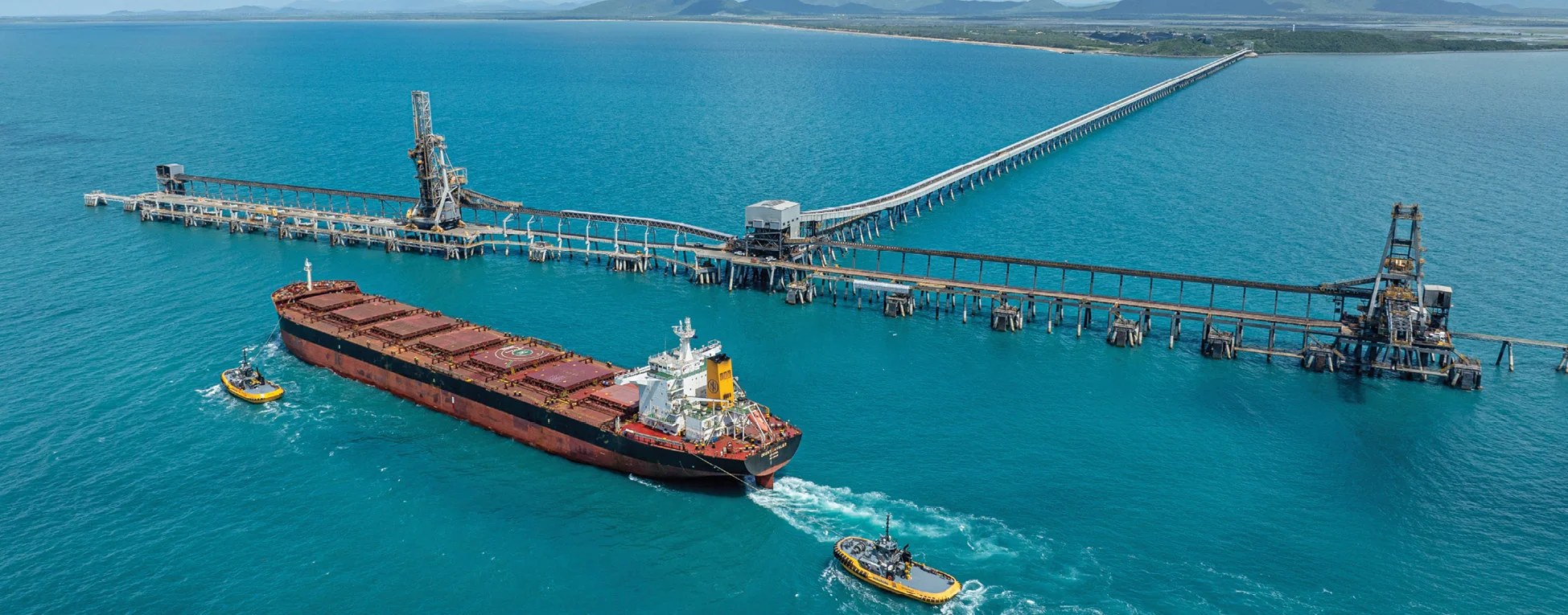
We are strongly committed to fostering equitable and sustainable management of natural resources, with the overarching aim of ensuring a prosperous future marked by environmental stability and climate resilience. Our efforts to achieve this vision are driven by our holistic approach to port development, seamlessly integrating infrastructure growth with nature conservation. This strategy has helped us enhance the sustainability of our transport infrastructure while protecting biodiversity.
Collaborating for Biodiversity Conservation
We have strategically aligned our operations and partnerships under a clearly defined Biodiversity Policy that guides our conservation and restoration efforts. We actively engage in policy advocacy and continuous dialogue with government bodies, non-governmental organisations, and academic institutions, and collaborate with public authorities to support biodiversity research and on-ground restoration initiatives. These collaborations include funding and support for species conservation and ecosystem restoration projects, such as Olive Ridley turtle conservation and coral reef rehabilitation programmes.
We take concerted measures to promote the valuation of biodiversity and ecosystem services across our operations. A designated Biodiversity Champion within the organisation leads the identification and assessment of biodiversity-related risks and opportunities. APSEZ’s membership in the India Business & Biodiversity Initiative (IBBI) further reinforces our commitment to responsible and sustainable biodiversity management.
Promoting Awareness and Knowledge
Our commitment to fostering environmental stewardship goes beyond compliance and constitutes a core part of our culture. ‘Environment Shikhar’ – our flagship annual initiative, brings together environment professionals from all ports and logistics sites to strengthen collective understanding, drive collaboration, and inspire innovative approaches to conservation and sustainability.
Key Elements of Environment Shikhar
- Intensive knowledge-sharing platform
- Spans two days of lectures, brainstorming sessions, interactive engagements, industrial visits, and field-based learning
- Serves as a crucial forum for building internal capabilities and aligning teams with the organisation’s long-term environmental and biodiversity commitments
The 14th Environment Shikhar was held on November 27-28, 2025, at Gopalpur Ports Ltd. A total of 33 participants from locations across India participated at the programme, which was themed around “Awareness to Action”, emphasising the transition from knowledge-building to on-ground impact.
The agenda was thoughtfully curated to enhance technical capacity and strengthen internal audit mechanisms, enabling teams to reinforce management systems through effective checks and continual improvement. A field visit to the Rushikulya turtle nesting sites, one of India’s most important mass nesting beaches for olive ridley turtles, provided experiential learning on coastal biodiversity conservation and habitat protection.
Notable Biodiversity Conservation Initiatives
Our mangrove programme at Kachchh in Gujarat is a holistic ecological and social initiative. Beyond enhancing species diversity and improving habitat quality, the programme actively engages local communities in mangrove afforestation. It is aiding in the creation of sustainable livelihood opportunities for the local populace, while protecting coastal biodiversity.
The Mundra coastline provides a remarkable natural setting for mangrove biodiversity protection. The region’s expansive intertidal flats, creeks and estuaries offer ideal conditions for mangrove growth. It is one of the few locations in Kachchh where multiple true mangrove species coexist naturally.
Building on this potential, the project at Luni village continued to nurture a mosaic of mangrove species, supported by nursery cultivation and site-specific plantation design. The project addressed the site’s need for active care and maintenance, triggered by natural pressures such as algal overgrowth and grazing by animals – both of which can hinder young mangrove saplings.
Our integrated approach to promoting mangrove biodiversity enables community ownership of conservation efforts, and concurrently supports the restored mangrove landscapes in gradually functioning as resilient, living ecosystems.
Approach
- Regular field management helped stabilise the plantation; this ensured that newly established patches remained healthy and resilient
- Continuous monitoring enabled timely interventions; it helped reinforce the long-term strength of the mangrove belt
Impact
- Marked return of coastal fauna to the restored zones
- Early improvement in habitat complexity, reflected in the increasing visibility of mudskippers, crabs, bivalves, gastropods, and several fish species were increasingly observed using the area
- Visible activity reported by local fishers during low-tide cycles, reflecting the gradual recovery of the ecological functions provided by mangroves
Variation in species performance was expected, as each mangrove type responds differently to salinity, inundation, and soil conditions. While some species established themselves rapidly, others showed slower but steady adaptation, contributing to a more balanced, diverse mangrove community that can withstand environmental fluctuations.
Bio-Shield Initiatives Across Coastal Sites
The Bio-shield at Dahej continued to grow as a unique example of ecological restoration combined with community upliftment. Launched in collaboration with local communities, the programme was designed not only to strengthen the coastline but also to create livelihood opportunities for village communities, particularly marginalised groups.
Approach
- The coastal stretch identified in Malpur and Tankari has transformed into a layered green barrier over the years
- Beginning with mangroves closest to the shore, the landscape gradually transitions into oil-seed plants, followed by hardy species used as fodder, and finally, a mix of fruit-bearing and medicinal plants
Impact
- Has led to the creation of a living bio-shield that protects the coastline from saline winds, supports fisheries, and enhances the natural vegetation cover of the region
- Local ownership has strengthened, as community members remain actively engaged in plantation care, upkeep and resource utilisation
- This community approach has transformed the bio-shield into an ecological asset that delivers environmental protection and socio-economic value simultaneously
We have progressively expanded our bio-shield initiative at Hazira around the coastal zone with a focus on nursery development and shoreline protection. The site has been steadily shaped into a protective green belt featuring mangroves and Saru plantations. This has helped stabilise the fragile coastal edges and encouraged biodiversity in the adjoining wetlands.
Approach
- Continuous nurturing of the plantation, including gap-filling and support structures, has helped the young plants withstand local environmental pressures
Impact
- Saru plantations have strengthened the soil structure and improved moisture retention, creating microhabitats that support local flora and fauna around pond edges and low-lying areas
- The bio-shield is now a growing natural buffer that reduces the impact of saline winds and tidal movement, while also nurturing a self-sustaining ecosystem
The coastal restoration work at Tuna – Kandla has taken a significant ecological leap by moving toward multi-species mangrove development. Traditionally, the region’s mangrove cover has been dominated by a single species, but this project is aimed at reintroducing species that were once a rare presence in Kachchh.
Approach
- Cultivation of a diverse mix of mangroves across the project area is gradually reshaping the ecology of the site
- Early signs show these species adjusting well to the region’s challenging salinity levels, indicating strong potential for long-term establishment
Impact
- Healthier, more layered mangrove structure – one that offers enhanced coastal protection, richer habitat value, and improved shoreline stability, is beginning to show along the coastline with the plantation maturing
- Kachchh has taken a key step in transitioning from a largely uniform mangrove landscape to a more resilient, diverse ecosystem
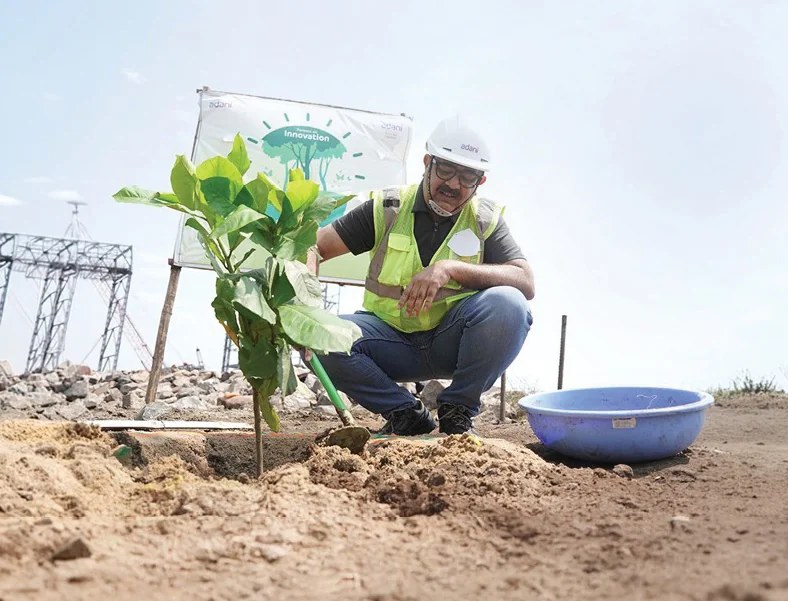
Our commitment to marine biodiversity conservation is manifest in our continued focussed efforts to protect the Olive Ridley sea turtle along the Odisha coastline – one of the most significant nesting regions for the species globally.
Odisha’s coast is internationally recognised for hosting large nesting congregations of the Olive Ridley sea turtle – a vulnerable marine species distinguished by its rare mass-nesting behaviour which is marked by thousands of females gathering annually along their natal beaches. This natural phenomenon underscores the ecological importance of the region and the need for sustained conservation measures.
Approach
- Targeted actions have been undertaken to safeguard these sensitive marine species during critical nesting and migratory periods
- Efforts are focussed on reducing human disturbances near nesting sites, supporting scientific research, facilitating safer near-shore movement and migration, and strengthening protection mechanisms across key nesting beaches
Measures Taken
1.Protection of Nesting Habitats
- Enhanced monitoring and patrolling undertaken across the nesting beaches to protect adult females and their nests during peak season
- Patrolling support strengthened through the deployment of trawlers for surveillance and rescue operations
2.Dark Sky Lighting
- Turtle-friendly, low glare lighting systems implemented near operational areas along the coast to minimise artificial light, which can disorient nesting females and hatchlings
3.Safe Navigation & Fishing Controls
- Shipping lanes adjusted to avoid turtle congregation zones, reducing vessel-related disturbances
- Fishing exclusion zones demarcated using buoys to prevent trawlers from entering sensitive areas during the nesting and hatching periods
- Mandatory use of Turtle Excluder Devices (TEDs) in trawl fishing nets to significantly reduce incidental (bycatch) of non-target species
4.Community Engagement for Turtle-Friendly Practices
- Awareness campaigns conducted with local fishing communities to promote responsible fishing methods, reduce accidental bycatch, and build local stewardship for turtle conservation
5.Scientific Research
- Memorandum of Understanding (MoU) signed by Dhamra Port, in collaboration with the Adani Foundation, with the Principal Chief Conservator of Forests (Wildlife), Government of Odisha, and the Wildlife Institute of India (WII), Dehradun, to undertake a scientific research study titled “Spatial Use, Near Shore Movements, and Migratory Behaviour of Olive Ridley Sea Turtles off the Odisha Coast”
- Study planned for a three-year period (2025-2028), with funding for the first year disbursed by the Adani Foundation, and research activities for nesting season November 2025 – May 2026 being conducted by the research team of the Wildlife Institute of India
Biodiversity Park – Mundra
We have established a dedicated Biodiversity Park within the Nursery at Mundra for conserving indigenous plant species, enhancing habitat diversity, and strengthening long-term ecosystem resilience in the region.
The Biodiversity Park serves as a living repository of native flora, with over 58 indigenous plant species representing the natural vegetation of the Kutch landscape. The plantation design follows a layered, multi-tier vegetation structure, replicating natural forest ecosystems and supporting diverse ecological functions.
Designed as a low-input, climate-resilient landscape, the Biodiversity Park prioritises species adapted to local climatic conditions, thereby minimising irrigation requirements and reducing dependency on chemical inputs. This approach promotes sustainable horticulture practices while optimising resource efficiency.
Approach
- Native trees, shrubs, grasses, climbers, and medicinal plants have been carefully selected to create micro-habitats that support local avifauna, pollinators, and small terrestrial species
- Flowering and nectar-rich species have been incorporated to encourage the presence of bees, butterflies, and other beneficial insects, contributing to pollination services and improved ecological balance
Impact
Environmental and Ecological Outcomes
- Enhanced biodiversity, evidenced by increased bird activity, pollinator presence, and habitat utilisation by small fauna
- Improved soil health through higher organic matter, microbial activity, and moisture retention
- Contribution to natural carbon sequestration through increased tree and shrub biomass
- Strengthened ecosystem resilience against salinity, heat stress, and drought, characteristic of the region
Colombo West International Terminal (Private) Limited recognises the critical importance of coastal coral reef and is funding to support for scientific research and coral reef rehabilitation undertaken by the Pro Green Laboratory of the University of Moratuwa. The initiative focusses on the restoration of a degraded (dead) coral reef ecosystem in Beruwala, adopting a science-based and ecosystem-led approach.
The programme involves reef cleaning, coral transplantation, and continuous research-based monitoring to restore coral cover, enhance marine biodiversity, and improve ecosystem functionality. Scientific monitoring forms a core component of the initiative, enabling the assessment of coral survival rates, reef health, and long-term ecological outcomes.
A key milestone under this initiative was achieved with the successful completion of the first coral replanting session on January 24, 2026, marking the commencement of active restoration efforts at the site. The project is expected to contribute to the recovery of marine biodiversity, strengthen coastal ecosystem resilience, and generate valuable research insights to inform future reef restoration initiatives.
Through this partnership, CWIT aims to support nature-based solutions, advance marine conservation science, and contribute to long-term positive outcomes for coastal ecosystems and communities.
Hazardous Oil Spill Prevention and Management
Our meticulously crafted Oil Spill Action Plan seeks to prevent and swiftly mitigate environment-endangering spills of hazardous substance. The plan is designed to ensure compliance with global best practices in spill management, by aligning with both the National Oil Spill Disaster Contingency Plan (NOS-DCP) and standards set by the International Petroleum Industry Environmental Conservation Association.
Key Aspects of Oil Spill Action Plan
- Extensive Coverage: The plan addresses potential spill scenarios during anchoring, berthing, and cargo handling, encompassing a wide range of operational activities that could cause spills.
- Regular Maintenance and Inspection: A regime of scheduled inspections and maintenance is integral to the plan, focussing on preventive measures to minimise the risk of spills. This includes ensuring the integrity and proper functioning of equipment and containment systems.
- Effective Land Spill Management: Recognising that spills can also occur on land with detrimental effects on soil, habitats and terrestrial life, the plan includes specific strategies for immediate spill control and cleanup onshore.
- Zero Spills Achievement: In the fiscal year 2025-26, APSEZ successfully achieved zero spills, highlighting the effectiveness of its spill prevention and response strategies.
The 7-Point Oil Spill Action Plan
- Utilisation of leak-proof containers for transporting waste materials
- Secure storage of hazardous waste in closed containers
- Proper stacking and management of containers to prevent accidental spills
- Use of tarpaulins to cover waste-loaded transport vehicles, ensuring containment
- Provision of first-aid kits for immediate response to minor injuries that may occur during handling
- Conducting periodic inspections to proactively identify and rectify potential spill risks
- Implementing safe working procedures and training for personnel involved in handling and operational activities
Performance Metrics: 0 L/crore (Volume of oil spilled/revenue)